
Automotive Design and Technology
-
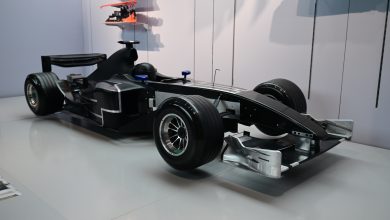
Why a Car’s Shape Matters Beyond Its Drag Coefficient
A car's aerodynamic performance involves frontal area, cooling flow, wake control, and noise as well as its drag coefficient. Learn…
Read More » -
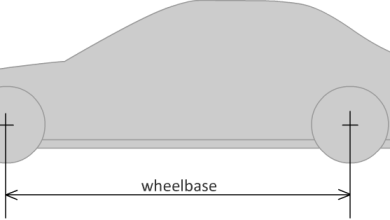
Understanding Wheelbase and the Space Between the Axles
Wheelbase influences cabin layout, turning behavior, and the timing of road inputs. Understand how it differs from overall length and…
Read More » -

How Seat Cushion Shape Changes Driving Comfort
Seat comfort depends on cushion length, contour, firmness, and angle working with the backrest. Learn how to check thigh support,…
Read More » -
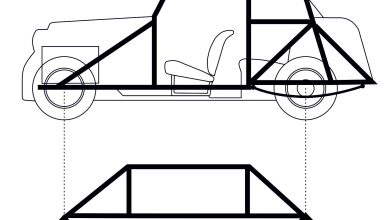
Why Car Bodies Use Several Different Materials
Steel, aluminum, plastics, and adhesives serve different purposes within a car body. Explore the distinctions between strength and stiffness, the…
Read More » -

Designing an Infotainment Screen That Is Easy to Use
An effective infotainment interface makes common tasks clear, reachable, and predictable. Examine menu depth, touch target spacing, feedback, physical controls,…
Read More » -
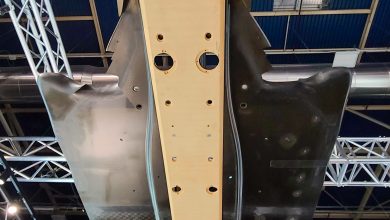
What Underbody Panels Do for Airflow and Everyday Ownership
Underbody panels help manage airflow, temperature, and road spray, but their protection has limits. Learn why correct openings and fasteners…
Read More » -

Why Windshield Pillars Can Hide More Than You Expect
Windshield pillars affect visibility through their angle, trim, and relationship to the driver's eyes. Explore concealed sightlines, quarter windows, accessory…
Read More » -
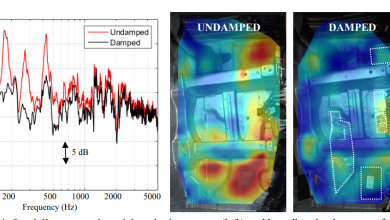
How Sound Insulation Changes the Character of a Car Cabin
Cabin quietness depends on airborne sound, structural vibration, sealing, absorption, and damping. Learn why different materials serve different roles and…
Read More » -
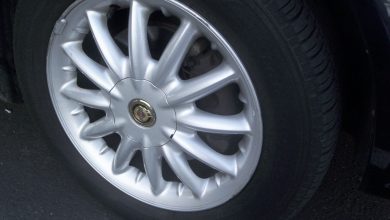
Why Wheel Size Changes More Than a Car’s Appearance
Wheel diameter affects tire sidewall, ride behavior, assembly mass, and clearance. Explore why approved fitment and load requirements matter, and…
Read More » -

Understanding the Purpose of a Vehicle’s Center Console
Center console design influences storage, elbow room, charging, and access to controls. Use realistic checks with everyday objects to assess…
Read More »