
An oil change is more than draining a sump and adding the listed capacity. The correct oil, a suitable filter, reliable sealing, safe access, and a final level check all contribute to the result. Planning these details beforehand reduces the chance that a straightforward service becomes a leak, an overfill, or an unfinished job.
Confirm parts and service information
Identify the engine and check the required oil specification, service-fill quantity, filter type, and drain-plug requirements. A published capacity is a starting reference, not permission to skip the final level procedure. Residual oil and the details of the service can affect how much is needed to reach the correct mark.
Some drain plugs use a replaceable sealing washer; others have different sealing arrangements. Cartridge filter housings may use seals that must sit in a particular groove. Have the right replacement items ready. Reusing a damaged seal to avoid an interrupted job can create a leak that costs much more effort later.
Prepare the sealing parts before draining
Confirm the filter, drain-plug sealing arrangement, and fitting instructions before beginning. A service can stall over a small washer or incorrectly located cartridge seal. Keep the final leak inspection and specified level check on the job list, alongside draining and filling.
Make access and containment part of the plan
Anyone working beneath a vehicle needs appropriate lifting equipment, support points, and a stable work area. A jack alone is not a support. If those conditions cannot be provided, arrange professional service. Warm oil may drain readily, but hot oil and nearby engine components can burn skin, so temperature must also be managed.
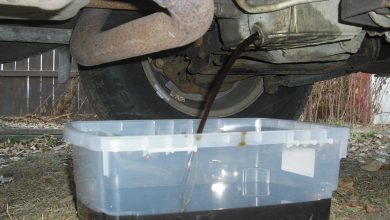
Choose a drain container large enough for the expected quantity and position it for the initial stream. Protect the work area without blocking safe movement. Keep absorbent material available, and plan how used oil and the old filter will reach an appropriate collection facility without being mixed with unrelated fluids.
| Stage | Check | Problem it helps prevent |
|---|---|---|
| Parts preparation | Verify filter fit and required replacement seals | Interrupted work or an improvised seal |
| Installation | Follow the specified seating and tightening procedure | Damaged threads, cracked housings, or leakage |
| Final verification | Check sealing and measure the settled oil level | An unnoticed leak or incorrect final fill |
Respect seals and tightening procedures
Overtightening a drain plug can damage threads, while insufficient tightening can allow leakage. Filter housings and spin-on filters also have specific fitting instructions. Follow the relevant procedure instead of relying on how tight the previous part felt. A housing cracked by excessive force may leak only after the engine runs.
On a cartridge assembly, make sure the old seal has been removed and the new one is correctly positioned. On a spin-on installation, a gasket left stuck to the mounting face can interfere with sealing. These small checks matter because fresh oil can escape quickly through an improperly sealed filter.
Verify the finished service
After filling and operating the engine as instructed, check for leakage and complete the specified level measurement. Account for the filter filling and oil draining back before making the final adjustment. Never put hands near moving components to search for a leak. Stop the engine before a closer inspection.
Fresh oil completes only part of the job; sound sealing and a verified level complete the service.
Editorial takeaway
Leave a usable service record
Record the date, mileage, oil specification, filter identification, and quantity used. Dispose of waste responsibly and confirm that the filler cap and dipstick are secure. A complete oil service ends with verified sealing and level, giving the next check a trustworthy baseline rather than merely a reset reminder.
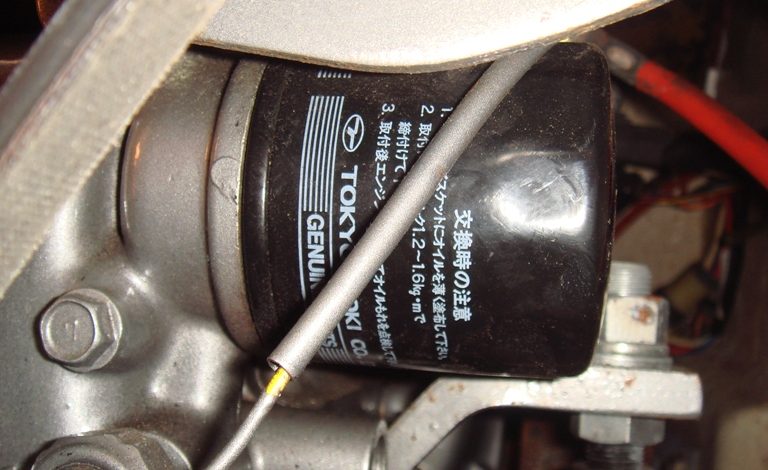
Featured image: Oil filter.JPG by PHGCOM, CC BY-SA 3.0. Image reproduced without editorial alteration; WordPress may create resized display copies.