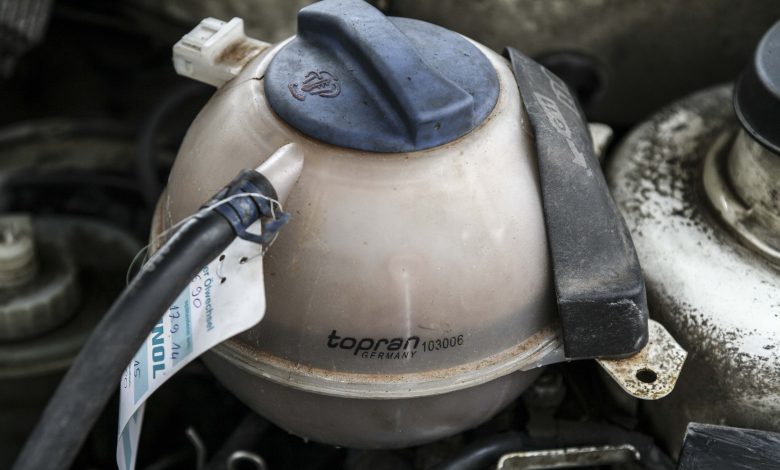
A coolant reservoir makes routine inspection convenient, but its markings only mean something when checked under the intended conditions. Coolant expands as it heats, and the system may remain pressurized after shutdown. Establishing a cold baseline lets an owner recognize gradual loss without opening a hot system or confusing normal expansion with a fault.
Identify the correct reservoir
Consult the owner’s manual to distinguish the coolant tank from other containers. Some vehicles use a pressurized expansion tank; others have an overflow reservoir connected to a separate pressure cap. Their inspection and filling procedures differ. Do not assume that every translucent container with colored liquid serves the same purpose.
With the vehicle level and the engine fully cold, compare the visible level with the specified cold marks. Light through the side of the tank may help when the plastic is discolored. If the level cannot be seen clearly, avoid guessing from a stain left higher on the wall.
Keep a genuinely cold reference
Take a level photograph only after the engine has fully cooled, with the vehicle on level ground. Use the same angle for later checks. A photograph of a hot tank is not a substitute for a cold baseline, and opening a pressurized hot system is unnecessary for comparison.
Recognize normal movement
A higher reading after a journey can result from expansion, while a cold reading should return toward its usual position. Comparing a hot reading one week with a cold reading the next can create a false impression of loss. Record observations under similar conditions so changes become meaningful.
For example, photograph the cold level from the same angle after a completed repair. Subsequent checks can then reveal a genuine downward trend. A small initial adjustment following cooling-system work may involve remaining air, but continued loss should not be dismissed indefinitely as normal settling.
| Observation | Possible interpretation | Useful response |
|---|---|---|
| Higher after a journey | Normal expansion may raise the visible level | Compare again only under specified cold conditions |
| Unclear line through stained plastic | A residue mark may resemble the current surface | Improve external visibility rather than guessing |
| Repeated fall between cold checks | Ongoing loss needs investigation | Record additions and arrange a system assessment |
Top up with the specified mixture
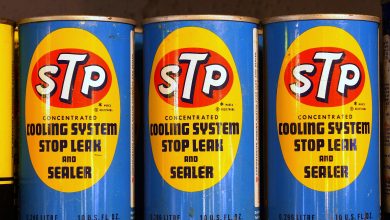
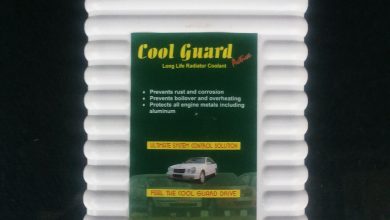
If topping up is permitted, use coolant meeting the required specification and concentration. Color alone cannot confirm compatibility. A ready-mixed product and a concentrate require different handling, so read the label before pouring. Adding concentrate without considering the existing mixture can move the system away from its intended balance.
Only remove the correct cap when the system is cold and the vehicle instructions allow it. Hot pressurized coolant can escape violently and cause serious burns. If overheating has occurred, allow the vehicle to cool and obtain assistance rather than attempting an immediate roadside refill through a hot opening.
Investigate a repeated need for coolant
A sealed system should not require routine substantial additions. Look for visible wetness, dried residue, or a coolant smell, but remember that some leaks occur only under pressure or in hidden locations. A workshop can test the system and distinguish a leaking component from other causes of loss.
Keep coolant away from children and animals, contain spills, and use appropriate disposal arrangements. Do not leave an open container beside the vehicle while concentrating on the level. Careful handling is part of the maintenance task, not an optional cleanup detail.
The useful coolant comparison is cold against cold, with unexplained loss treated as evidence.
Editorial takeaway
Use the baseline to guide action
Refit the cap correctly and note the date, level, and any amount added. Stable cold readings offer reassurance; a recurring drop provides useful evidence for diagnosis. The value of this check comes from consistency and safe handling, with unexplained changes addressed before they become an overheating event.
Featured image: Soucastka 21.JPG by Filipograf, CC BY-SA 4.0. Image reproduced without editorial alteration; WordPress may create resized display copies.