
Tires Brakes and Suspension
-
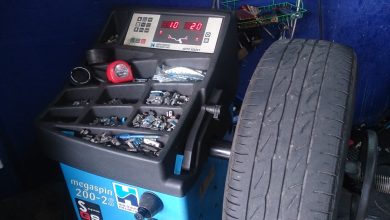
Separating Wheel Balance Problems from Alignment Problems
Balancing corrects rotating mass differences, while alignment corrects wheel angles. This guide explains the symptoms each service may address, the…
Read More » -
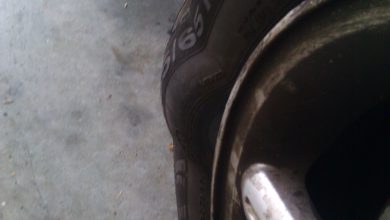
What a Tire Sidewall Bulge Means
A tire can hold air and still have serious internal damage. Learn why an outward sidewall bulge matters, how it…
Read More » -
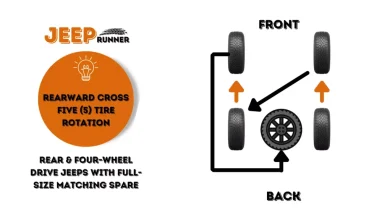
How Tire Rotation Helps Manage Uneven Workloads
Rotation shares the different workloads at each wheel position, but the correct pattern depends on tire direction, wheel sizes, and…
Read More » -

Understanding Tire Size Before Buying Replacements
Tire size codes describe width, proportions, construction, and wheel diameter, but compatibility involves more. Learn how load information, approved fitments,…
Read More » -
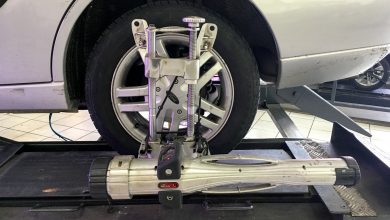
Why a Car May Pull After New Tires Are Installed
A pull after tire replacement can come from pressure, fitment, tire forces, or an existing chassis issue. Learn which observations…
Read More » -
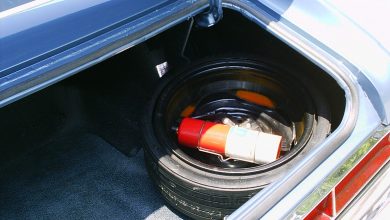
Recognizing the Limits of a Temporary Spare Tire
A compact spare has specific pressure, fitment, and operating restrictions. Learn how to check its readiness, understand changes in handling,…
Read More » -
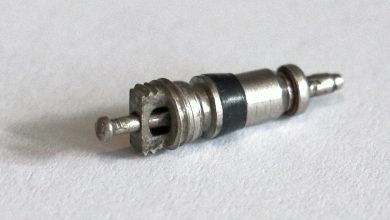
Slow Tire Leaks and Why Repeated Top Ups Are Not a Repair
A slow leak may come from the tread, valve, bead, or wheel. Learn how consistent pressure records help identify real…
Read More » -
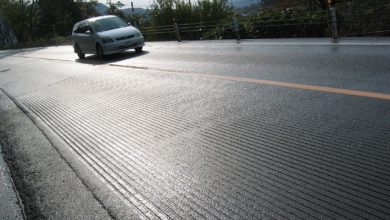
How Road Grooves Can Influence Steering Feel
Road grooves can create steering forces that feel like wandering. Learn how tire characteristics influence this response, which additional symptoms…
Read More » -
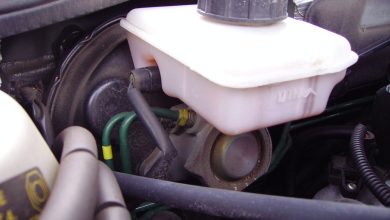
What Brake Pedal Feel Can Tell an Owner
A soft, hard, low, or pulsing pedal can point an inspection in different directions. Learn which changes matter, what normal…
Read More » -
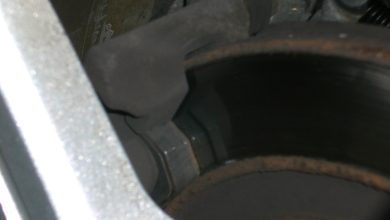
Why Brakes May Squeal Even When the Car Still Stops
Brake squeal may reflect moisture, wear indicators, or hardware that needs attention. Learn why stopping ability alone cannot explain a…
Read More »