Sound comes from vibration
A brake squeal is usually a high frequency vibration involving the pad, disc, and nearby hardware. The fact that a car still stops does not establish that the sound is harmless. Some noises relate to surface moisture or pad behavior, while others warn of worn friction material or a part that is no longer moving as intended. The useful first step is to describe the sound and the circumstances, then arrange inspection when it is persistent or new.
Capture the conditions around the sound
After parking, note whether squeal occurred on the first stop, after warming, or throughout the journey. Include any scraping, pulling, or pedal change so the workshop does not treat every brake sound as the same complaint.
Brief surface changes can alter noise
A thin layer of surface rust can form on an exposed brake disc after rain or a damp night. The first few gentle stops may sound different as the pads clear the surface. This is not the same as a grinding noise that continues on every stop. Long parking periods can create more severe corrosion, and brakes that do not clear evenly may need service. Avoid assuming every morning noise is normal just because moisture was present at some point.
| Noise pattern | Interpretation limit | Inspection focus |
|---|---|---|
| Brief noise after damp parking | Surface moisture may contribute but does not prove safety | Whether it clears and whether other symptoms occur |
| Persistent high-pitched squeal | Friction vibration or a wear indicator may be involved | Remaining material and hardware condition |
| Noise with dragging or changed braking | May extend beyond an acoustic nuisance | Brake movement and overall braking function |
Wear indicators have a specific purpose
Some pads use a small metal indicator designed to contact the disc as the friction material wears down. That contact can produce a warning sound before the backing plate reaches the disc. Not every vehicle uses this arrangement, and noise cannot tell you the remaining thickness accurately. Inner and outer pads may wear differently, so a quick look through the wheel can miss the most worn pad. A professional inspection should include all relevant friction surfaces and moving hardware.
Installation and movement affect the result
Brake pads rely on correct support and free movement where the design requires it. Damaged clips, seized slides, unsuitable parts, or contamination can contribute to noise. A new set of pads does not make these issues disappear. Do not spray lubricant onto brake friction surfaces in an attempt to silence them. Products that belong on selected hardware can seriously reduce braking if they reach the pad or disc. Diagnosis should explain the source rather than simply covering the sound with a chemical.
A car that still stops can still have brakes asking for attention.
Editorial takeaway
Use the noise as a reason to inspect
Tell the shop whether the noise occurs with light pressure, heavy pressure, in reverse, or after the brakes warm. Mention a pull, pedal change, burning smell, or unusual heat at the same time. Grinding, reduced stopping ability, or a major pedal change calls for stopping and obtaining help. Even when the cause is mainly comfort related, it is worth confirming that the pads, discs, and calipers are sound. Quiet operation is useful, but safe and even brake function is the actual goal of the service.
If the sound began immediately after service, return to the installer with that detail. Ask whether the correct pads and retaining parts were fitted and whether the disc condition was assessed. New friction material may have a specified settling procedure, but that does not excuse persistent grinding, abnormal wear, or a wheel that becomes excessively hot during routine travel.
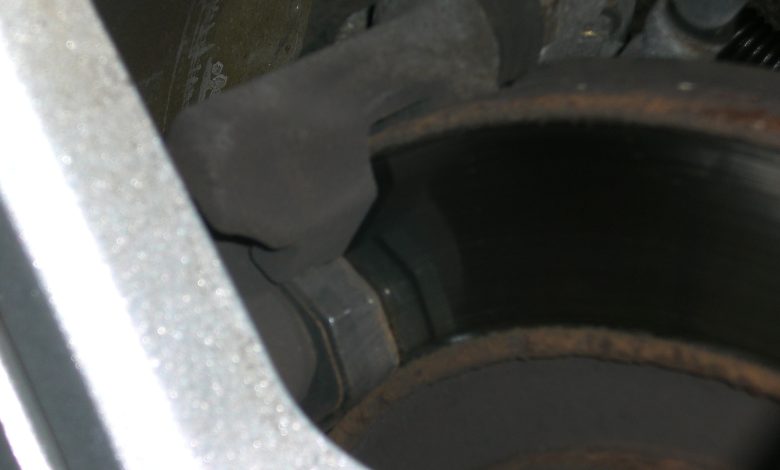
Featured image: New brake pads (372366587) by William J Sisti, CC BY-SA 2.0. Image reproduced without editorial alteration; WordPress may create resized display copies.