
Tires Brakes and Suspension
-
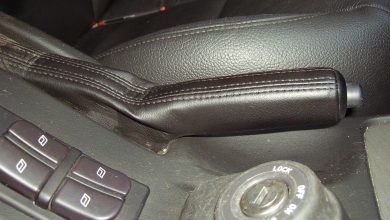
When a Parking Brake Does Not Hold Consistently
An inconsistent parking brake can involve cables, friction parts, electric actuators, or control issues. Learn what symptoms to record, why…
Read More » -
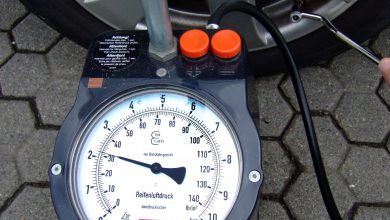
Why Tire Pressure Should Be Checked Cold
Cold tire pressure readings give a consistent basis for maintenance. Learn where to find the correct target, why driving changes…
Read More » -
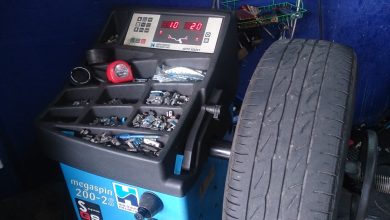
Separating Wheel Balance Problems from Alignment Problems
Balancing corrects rotating mass differences, while alignment corrects wheel angles. This guide explains the symptoms each service may address, the…
Read More » -
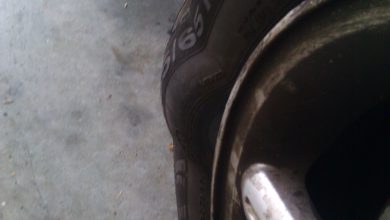
What a Tire Sidewall Bulge Means
A tire can hold air and still have serious internal damage. Learn why an outward sidewall bulge matters, how it…
Read More » -
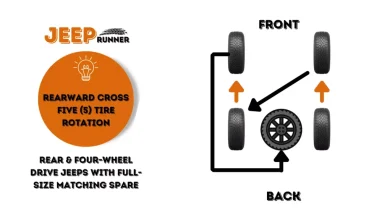
How Tire Rotation Helps Manage Uneven Workloads
Rotation shares the different workloads at each wheel position, but the correct pattern depends on tire direction, wheel sizes, and…
Read More » -
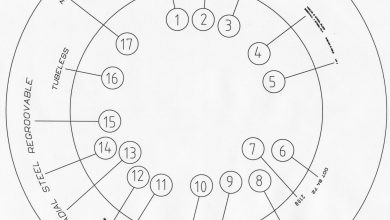
Understanding Tire Size Before Buying Replacements
Tire size codes describe width, proportions, construction, and wheel diameter, but compatibility involves more. Learn how load information, approved fitments,…
Read More » -
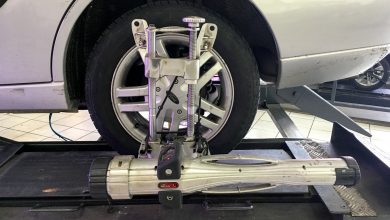
Why a Car May Pull After New Tires Are Installed
A pull after tire replacement can come from pressure, fitment, tire forces, or an existing chassis issue. Learn which observations…
Read More » -
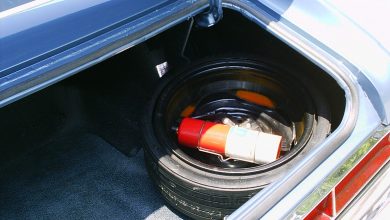
Recognizing the Limits of a Temporary Spare Tire
A compact spare has specific pressure, fitment, and operating restrictions. Learn how to check its readiness, understand changes in handling,…
Read More » -
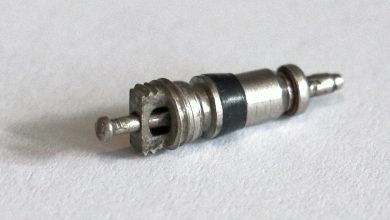
Slow Tire Leaks and Why Repeated Top Ups Are Not a Repair
A slow leak may come from the tread, valve, bead, or wheel. Learn how consistent pressure records help identify real…
Read More » -
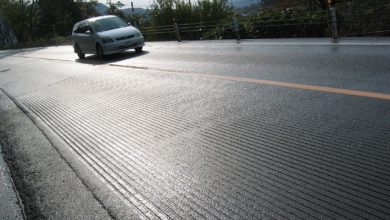
How Road Grooves Can Influence Steering Feel
Road grooves can create steering forces that feel like wandering. Learn how tire characteristics influence this response, which additional symptoms…
Read More »