
Automotive
-
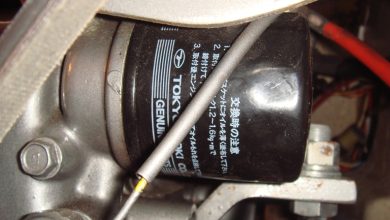
Plan an Oil and Filter Change as One Complete Job
Prepare an oil service from parts selection through final leak and level checks. Understand why sealing details, safe access, controlled…
Read More » -
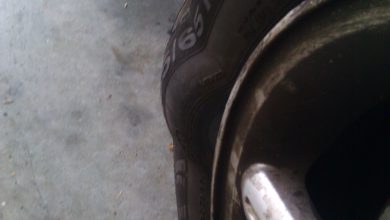
What a Tire Sidewall Bulge Means
A tire can hold air and still have serious internal damage. Learn why an outward sidewall bulge matters, how it…
Read More » -
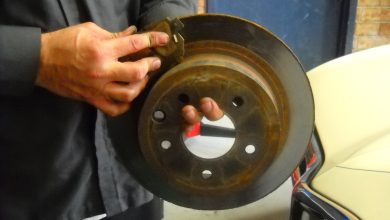
Why Electric Cars Still Need Friction Brakes
Electric cars retain friction brakes because energy recovery has limits. Understand how the systems share work, why lightly used brakes…
Read More » -
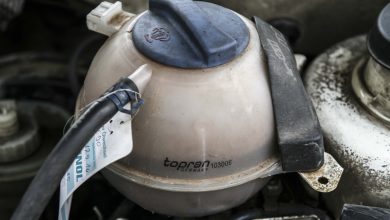
Check Coolant Level Safely on a Cold Engine
Establish a reliable cold coolant baseline, identify the correct reservoir, and distinguish expansion from actual loss. This guide covers compatible…
Read More » -
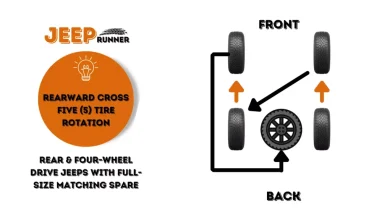
How Tire Rotation Helps Manage Uneven Workloads
Rotation shares the different workloads at each wheel position, but the correct pattern depends on tire direction, wheel sizes, and…
Read More » -
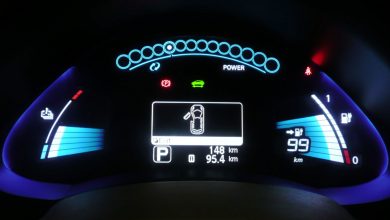
Reading an Electric-Car Energy Display Without Misreading the Numbers
Decode battery percentage, range prediction, power, and average consumption without confusing their meanings. Learn why units and reset periods matter,…
Read More » -
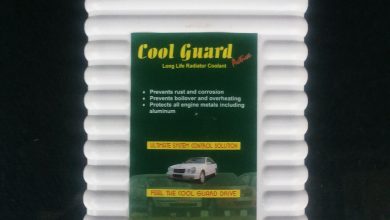
Why Coolant Color Cannot Identify Compatibility
Coolant dye is not a universal compatibility code. Learn how specifications, concentration, service records, and proper filling procedures provide a…
Read More » -
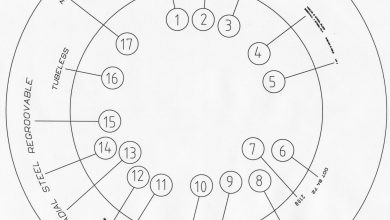
Understanding Tire Size Before Buying Replacements
Tire size codes describe width, proportions, construction, and wheel diameter, but compatibility involves more. Learn how load information, approved fitments,…
Read More » -
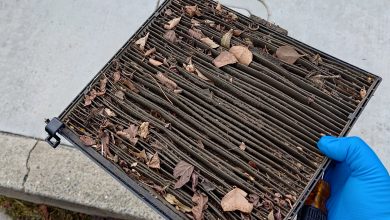
Replace a Cabin Filter Without Losing Track of Airflow Direction
Make cabin filter replacement cleaner and more reliable by checking access, distinguishing airflow arrows from position markings, and seating the…
Read More » -
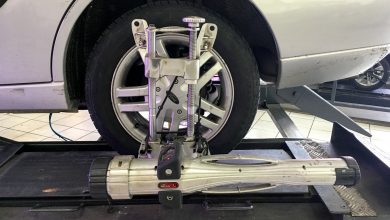
Why a Car May Pull After New Tires Are Installed
A pull after tire replacement can come from pressure, fitment, tire forces, or an existing chassis issue. Learn which observations…
Read More »