
Automotive
-
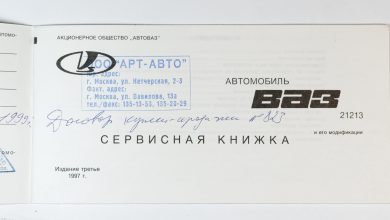
Keep Service Records That Help the Next Diagnosis
Create maintenance records that distinguish checks, replacements, top-ups, and unresolved concerns. Precise dates, fluid specifications, operating conditions, and symptom descriptions…
Read More » -
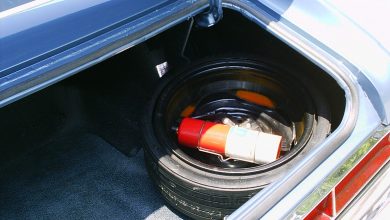
Recognizing the Limits of a Temporary Spare Tire
A compact spare has specific pressure, fitment, and operating restrictions. Learn how to check its readiness, understand changes in handling,…
Read More » -
Prepare a Clear Workshop Brief for Routine Service
Write a workshop brief that separates scheduled maintenance from symptoms and gives technicians useful operating context. Clear authorization, parts preparation,…
Read More » -
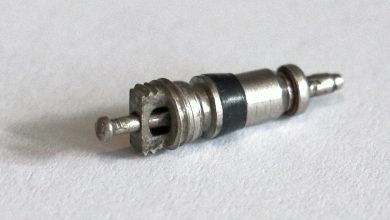
Slow Tire Leaks and Why Repeated Top Ups Are Not a Repair
A slow leak may come from the tread, valve, bead, or wheel. Learn how consistent pressure records help identify real…
Read More » -

Store Top-Up Fluids So They Stay Clean and Identifiable
Preserve top-up fluids by keeping specifications readable, containers sealed, and filling tools clean. Practical storage habits prevent confused coolant mixtures,…
Read More » -
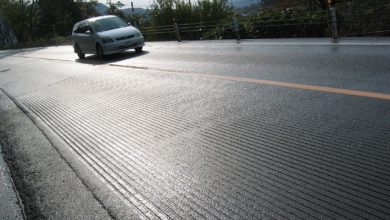
How Road Grooves Can Influence Steering Feel
Road grooves can create steering forces that feel like wandering. Learn how tire characteristics influence this response, which additional symptoms…
Read More » -
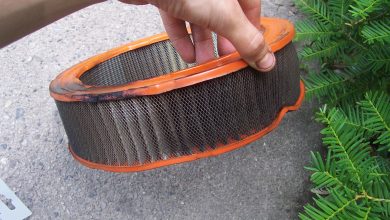
Plan Filter Service for Dusty Roads and Worksites
Dusty use calls for targeted inspections and careful intake sealing. Learn how to describe exposure, keep debris out during service,…
Read More » -
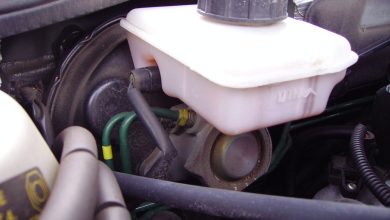
What Brake Pedal Feel Can Tell an Owner
A soft, hard, low, or pulsing pedal can point an inspection in different directions. Learn which changes matter, what normal…
Read More » -
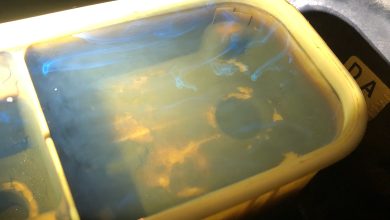
Handle Unknown Fluid History Without Guesswork
Build a dependable maintenance baseline when fluid records are incomplete. Separate confirmed services from unknown items, identify the exact vehicle…
Read More » -
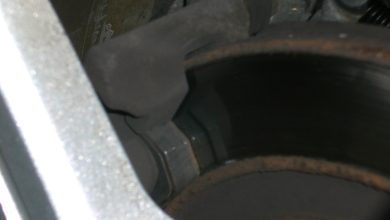
Why Brakes May Squeal Even When the Car Still Stops
Brake squeal may reflect moisture, wear indicators, or hardware that needs attention. Learn why stopping ability alone cannot explain a…
Read More »