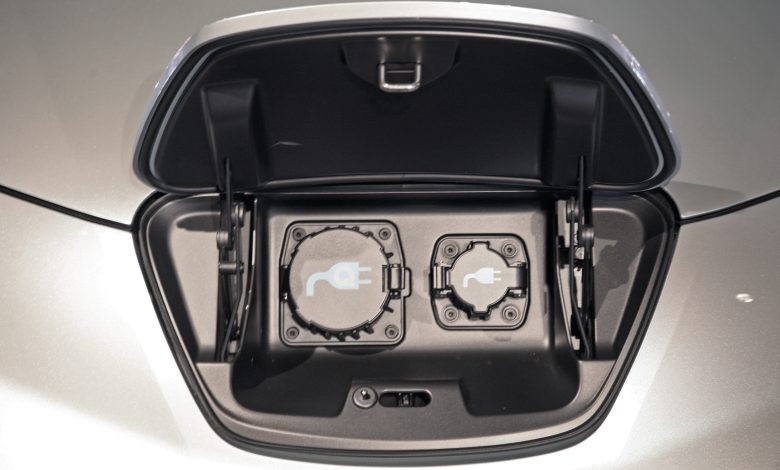
Follow where the electrical conversion happens
An electric vehicle’s battery stores energy as direct current. With AC charging, the car receives alternating current and uses its onboard charger to convert it into a form the battery can accept. With DC charging, the charging equipment performs the main conversion outside the car and supplies direct current through the vehicle’s supported charging connection.
This difference helps explain why a car can have distinct AC and DC charging capabilities. The maximum AC rate depends partly on the onboard charger and the available electrical supply. DC charging uses a different path and has its own limits. Neither figure means the battery will accept that power in every situation.
Check both the path and the connection
Confirm supported AC and DC connections separately in the vehicle documentation. A high power rating at a site cannot overcome an incompatible connector or the car’s own charging limits.
Understand what equipment ratings can tell you
A charging point’s rating describes a capability, not a promise for every connected vehicle. The actual rate is limited by the lowest relevant constraint, including the car, equipment, connection, and available supply. Battery temperature and state of charge can further affect the rate, especially during DC sessions. Shared equipment can introduce additional variation.
For example, connecting a car to an AC point with a higher rating than its onboard charger supports will not upgrade the vehicle. Likewise, a powerful DC charger cannot force a car to exceed the limits managed by its battery system. Check the vehicle’s specifications and connector support rather than judging suitability from the charger’s headline number alone.
| Aspect | AC charging | DC charging |
|---|---|---|
| Conversion location | The onboard charger converts supplied AC | Offboard equipment supplies DC through the supported path |
| Typical parking window | Longer stays at home or a destination | Journey stops when quicker replenishment is useful |
| Rate constraints | Vehicle charger, supply, and equipment | Vehicle acceptance, battery conditions, and equipment |
Match each method to a parking window
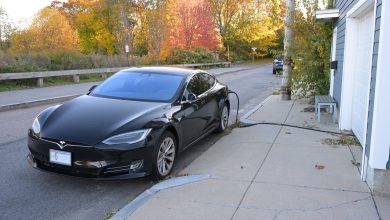
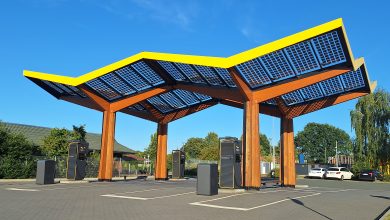
AC charging often fits longer stays, such as overnight parking or a working day. The car can replenish energy while the owner is occupied elsewhere. DC charging often fits journey stops where a quicker energy addition is useful. Those are typical roles, not strict rules about where either method must be used.
Someone who drives a modest daily route may find dependable AC access sufficient for normal life. A driver crossing a long distance may use DC charging between destinations and then charge more slowly while parked overnight. Thinking in terms of available time makes the distinction more useful than simply labeling one method good and the other bad.
Check the connection before relying on it
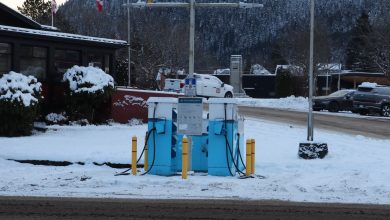
Confirm that the charger provides the correct connector and supports your vehicle. Similar-looking locations can offer different connections or access procedures. A map entry alone does not establish compatibility, working status, or whether an adapter is appropriate. Use only equipment and adapters approved for the relevant vehicle and charging arrangement.
At the charger, follow the instructions for connecting, authorizing, stopping, and releasing the cable. Do not force a locked connector. Read the car’s procedure for ending a session or dealing with a release problem. Damaged equipment, persistent faults, or unusual heat require the appropriate operator or professional response rather than improvisation.
Choose a charging stop by compatible access and useful energy delivered, not by its largest advertised number.
Editorial takeaway
Plan around energy delivered
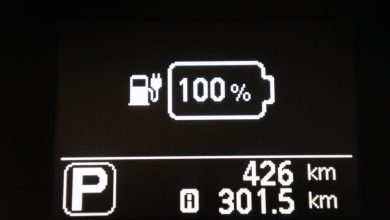
Use the car’s actual charging display to judge progress, and allow time for the rate to vary. A useful session adds enough energy for the next stage with reserve; it does not always need to reach the maximum charge setting. Understanding AC and DC paths helps you choose appropriate stops, interpret power limits, and build a charging routine around the time the vehicle is already available to charge.
Featured image: Nissan Leaf dual charging outlets by cliff1066; color adjustment by Mariordo, CC BY 2.0. Image reproduced without editorial alteration; WordPress may create resized display copies.