Wear is evidence with more than one explanation
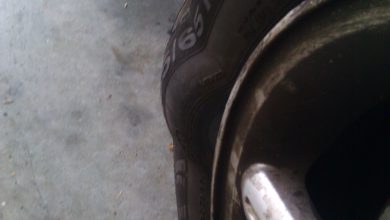
The tread can reveal how a tire has been meeting the road, but a wear pattern is not a complete diagnosis. Pressure, wheel angles, driving loads, suspension condition, and maintenance history all affect the result. Inspect tires while parked on level ground with the vehicle secured. Look across the width and around the circumference rather than judging the easily visible outer shoulder alone. The inner shoulder can be badly worn while the outside still looks serviceable.
Record the thinnest useful measurement
Inspect across the tread and around the tire, including the less visible inner shoulder. Note the smallest measured areas rather than relying on the average appearance. Bring those notes with pressure and rotation history so an inspection can investigate the cause of the pattern.
Compare the center and both shoulders
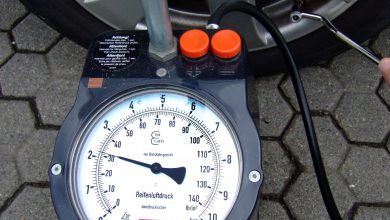
Wear concentrated near both shoulders can be associated with insufficient inflation for the load, while center wear may be associated with excessive inflation. Modern tire construction and driving conditions can complicate these familiar patterns, so verify pressure against the vehicle placard before reaching a conclusion. A single worn shoulder may point toward wheel alignment or repeated cornering loads. For example, the outside edges of both front tires can wear faster on a vehicle that frequently makes tight turns in parking structures.
| Pattern | Possible contributors | Check before concluding |
|---|---|---|
| Both shoulders more worn | Inflation, load, and operating conditions | Placard pressure and actual use history |
| One shoulder or feathered blocks | Wheel angles and tread scrub may contribute | Alignment plus steering and suspension condition |
| Scalloped areas around the tread | Rotating irregularity, balance, or damping concerns | Tire, wheel, and mechanical inspection |
Feel for feathering and look for scallops
Feathering means the edges of tread blocks feel different when brushed in opposite directions. It can occur when wheel angles make the tread scrub sideways as it rolls. Uneven dips around the circumference, often called cupping or scalloping, can involve wheel balance, tire irregularity, worn damping components, or looseness. Do not assume a new shock absorber will automatically fix every scalloped tire. Once a wear pattern develops, it may continue producing noise even after its original cause has been corrected.
Measure instead of relying on appearance
Use a tread depth gauge at several places across each tire and repeat around its circumference. Avoid measuring on top of raised wear indicators. Write down the smallest readings and compare positions. This can expose a tire whose average appearance hides one thin area. Cracks, exposed cords, bulges, and separation are different problems from ordinary tread wear and deserve prompt professional assessment. A tire can have adequate remaining tread depth and still be unsuitable because of damage or aging.
Tread wear tells you where to investigate; it rarely names a single failed part on its own.
Editorial takeaway
Connect the pattern to a repair plan
Bring pressure records, rotation history, and any steering symptoms to the inspection. Mention whether wear appeared after a pothole strike or after suspension work. A shop may need to inspect joints and bushings before performing alignment, because loose parts prevent stable settings. Replacing a worn tire without addressing the cause can waste the replacement just as quickly. The useful conclusion from a wear inspection is not simply that a tire looks uneven; it is a clear description of where the wear occurs, how it differs from the other tires, and what mechanical checks should follow.
Inspect matching tires together rather than examining one in isolation. A pattern shared by an axle suggests different questions from damage limited to a single small patch of one tire.
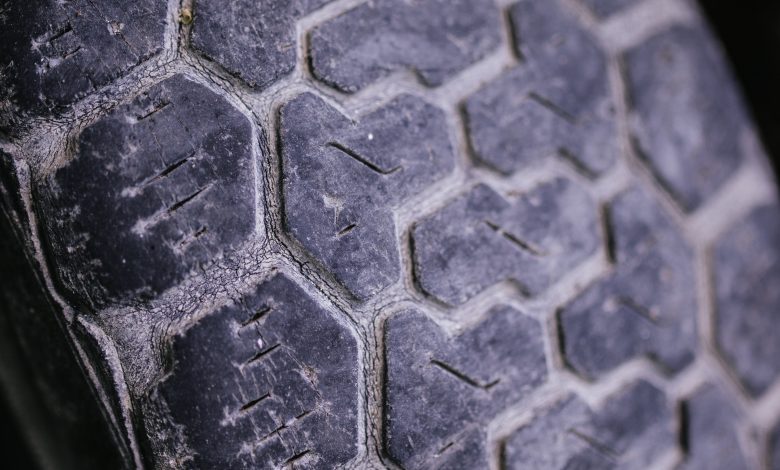
Featured image: Close view of worn tire showing tread patterns and dirt in a garage setting.jpg by Nenad Stojković (Shixart1985), CC BY 2.0. Image reproduced without editorial alteration; WordPress may create resized display copies.