Recognize the work of pushing through air
An electric car must overcome air resistance as it travels. As speed rises, the energy required per unit of distance to overcome that resistance generally increases. This is a major reason a car may use more energy on a fast open road than on a slower route, even when both journeys cover the same distance.
The effect is easy to overlook because a smooth highway journey feels effortless from the driver’s seat. There may be little braking and few interruptions, yet the motor is continuously supplying power to move the vehicle through the air. A quiet cabin does not mean the car is using very little energy.
Compare journeys with context
Keep speed, wind, temperature, and route alongside the consumption reading. A single faster trip into a headwind cannot isolate the effect of speed, and it should not become the basis for every future range estimate.
Compare energy per distance with energy per time
The dashboard may show instantaneous power, average consumption, and predicted range. These answer different questions. Power describes the rate of energy use at that moment. Average consumption relates energy use to distance. Range prediction estimates how far the remaining stored energy might take the car under assumed conditions.
A faster trip can finish sooner while still consuming more energy overall. Conversely, a slow trip can spend longer running cabin heating or cooling. This is why there is no useful universal rule that the slowest possible journey always consumes the least energy. Conditions and comfort loads matter alongside aerodynamic demand.
| Condition | Why consumption may change | Planning response |
|---|---|---|
| Sustained higher road speed | Aerodynamic demand generally rises | Use a realistic highway consumption baseline |
| Strong headwind | Air speed differs from road speed | Keep more energy margin |
| Short slow journey with cabin conditioning | Accessory use can weigh heavily per distance | Avoid applying that short-trip reading to a long motorway leg |
Notice what wind and accessories change
A headwind increases the air speed experienced by the moving vehicle. Roof-mounted cargo can also alter airflow, while heavy loads and tire conditions add other demands. These influences can make a familiar cruising speed produce different consumption on different days. Compare complete journeys before concluding that the vehicle has developed a problem.
For example, a driver carrying bulky roof luggage on an exposed route should not plan charging stops solely from an earlier trip made with an empty roof and calm weather. The road distance may match exactly, but the aerodynamic conditions do not. Allow additional margin and monitor actual consumption early in the journey.
Use speed choices without creating road hazards
Choose a lawful, appropriate speed for the road, visibility, traffic, and conditions. Smooth driving can help reduce avoidable changes in energy demand, but efficiency never justifies obstructive driving or following another vehicle closely. Maintain a safe gap and treat the traffic environment as the primary constraint.
When charging access is limited, a modest reduction in cruising speed may make the planned stop more comfortable. Make that decision early, while there is room to adapt. Repeatedly checking a falling range display near the end of a journey is less useful than adjusting the plan when the consumption trend first becomes clear.
A useful range estimate follows the road and weather you expect, rather than the best number you once saw.
Editorial takeaway
Build a better planning baseline
Keep separate expectations for local driving and longer open-road journeys. After a few trips, compare average consumption at similar speeds and in similar conditions. Use those observations to select charging stops with reserve rather than trying to predict an exact arrival percentage. Understanding the relationship between speed and demand helps explain changing range and supports calmer planning without turning normal travel into an exercise in chasing the lowest possible consumption figure.
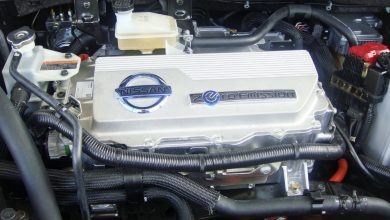
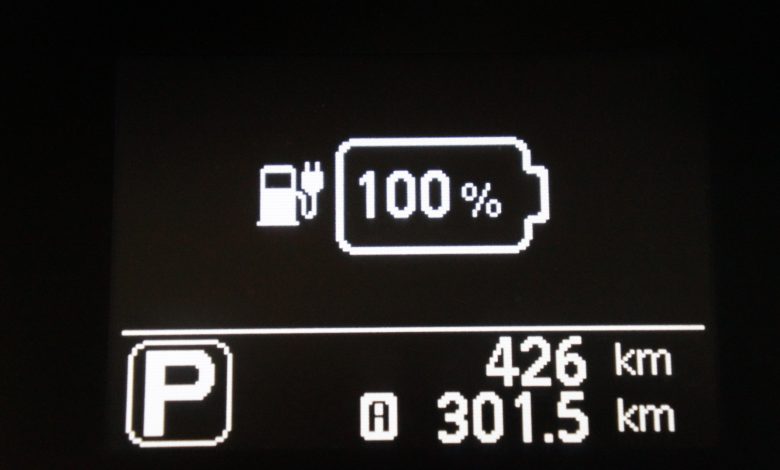
Featured image: Battery indicator on a Nissan Leaf by Kiwiev, CC0 1.0. Image reproduced without editorial alteration; WordPress may create resized display copies.