
Dust exposure can change maintenance needs even when the vehicle covers modest distances. An unpaved access lane, construction area, or frequent following of other vehicles on dry tracks can load filters differently from ordinary paved-road use. A sensible plan starts with the manufacturer’s dusty-use guidance and a careful record of what inspections actually reveal.
Describe the exposure accurately
Tell the workshop how often the vehicle enters dusty areas and whether the dust is occasional or persistent. A short daily section of unpaved road may matter more than a rare long trip. Note whether conditions changed recently, such as construction beginning beside the usual route.
Use that information to select the appropriate inspection schedule from the vehicle’s requirements. Do not automatically halve every interval or apply one arbitrary rule to all filters. The engine air filter and cabin filter serve different air paths, and their inspection findings may justify different replacement timing.
Describe the dust, not just the mileage
Tell the workshop whether exposure comes from repeated unpaved travel, worksite visits, or occasional dusty parking. Record the removed filter’s condition and the housing’s sealing condition. That history supports an appropriate inspection plan without treating every dark element as proof of the same restriction.
Inspect the complete engine intake seal
Dust control depends on more than the filter media. A loose housing cover, distorted sealing edge, or poorly refitted duct can allow dirt around the element. During service, ask for the housing and accessible joints to be checked along with the filter itself, particularly after previous work disturbed them.
For example, a replacement element that appears clean could still be sitting unevenly in its channel. Renewing it again would not correct the bypass path. Correct fit, intact retaining features, and appropriate parts are essential to making any chosen replacement interval useful.
| Exposure or finding | Inspection focus | Cautious interpretation |
|---|---|---|
| Repeated dusty access roads | Element loading and housing seal | Distance alone may understate exposure |
| Debris near the clean side | Seating, cover fit, and disturbed intake joints | Replacing media alone may leave a bypass path |
| Reduced dust after a route change | Condition trend against prior inspections | Reassess using the manual rather than a permanent guessed interval |
Keep the clean side clean
Opening a dusty housing carelessly can drop collected material into the protected side. Service should be performed with the engine off and with debris controlled before the filter is lifted. Cleaning methods need to suit the housing and element; forceful air jets can damage media or drive dust into inaccessible places.
Disposable filters should not receive oil or washing unless their instructions expressly permit it. Reusable designs have their own procedures, including drying and treatment requirements. Dusty conditions make correct handling more important, not a reason to improvise methods that may reduce filtration performance.
Use evidence to refine the schedule
Record the mileage, date, exposure, and observed condition at each inspection. Photographs can help compare successive elements, although appearance alone cannot measure restriction precisely. If the vehicle has an approved restriction indicator or specified test method, use its instructions rather than inventing a visual pass-fail threshold.
Check the cabin filter separately when airflow declines or inspection shows heavy debris. A new cabin element does not protect the engine, and a new engine element does not improve cabin ventilation. Keeping their records distinct avoids a general ‘filters done’ entry that hides which component was serviced.
Dust maintenance works best when exposure, filter condition, and intake sealing are recorded together.
Editorial takeaway
Adjust when conditions improve
Review the plan when roadworks finish or the vehicle’s route changes. The goal is a defensible schedule tied to exposure and the manufacturer’s limits. Consistent inspections, careful sealing, and accurate records provide better protection than frequent replacement carried out without attention to the intake path.
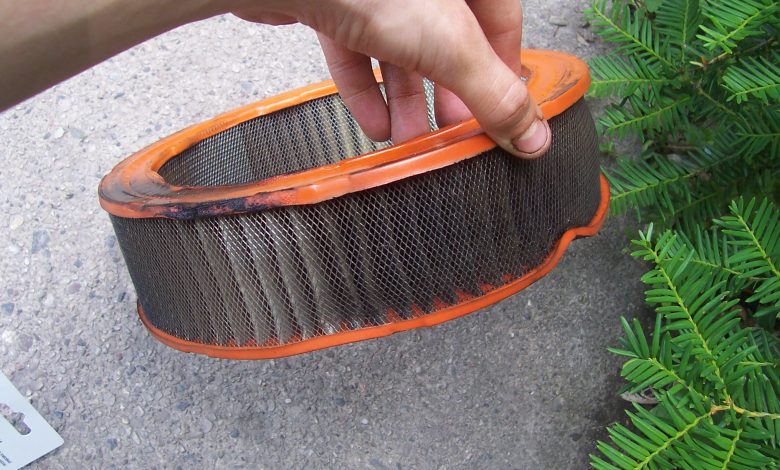
Featured image: Dirty-air-filter.jpg by Ahanix1989 at English Wikipedia, Public domain. Image reproduced without editorial alteration; WordPress may create resized display copies.