A seat can feel pleasantly soft in a showroom and become tiring after a longer drive. Cushion shape, support distribution, and adjustment range matter as much as the first impression of padding. The goal is a stable position that supports the body while allowing comfortable pedal use, clear vision, and access to the controls.
Also test entry and exit. A pronounced cushion edge may support the legs while driving yet catch clothing or make sideways movement awkward when leaving the car.
Support the thighs without pressing behind the knees
The cushion should support a useful portion of the thighs without forcing its front edge into the area behind the knees. A long cushion can suit a tall driver but leave a shorter driver choosing between back support and comfortable leg movement. Adjustable thigh extensions can help, provided their position does not interfere with pedal operation. Test the seat with the heel resting naturally where it will be during driving.
Evaluate the cushion in your own posture
Set seat height and backrest first, then notice where the cushion supports the thighs and where its edge ends. A momentary impression of softness is less useful than whether support remains comfortable during a realistic trial.
Firmness and contour work together
Very soft foam may compress enough to concentrate pressure on underlying structures. Firm foam can distribute support well when its contour suits the occupant, yet feel uncomfortable when it does not. Side bolsters can reduce sideways movement, but tight bolsters may press against wider hips. This is why a seat’s suitability cannot be inferred from upholstery quality or a sporty appearance. The actual contact areas deserve attention.
Cushion angle changes posture
Raising the front of the cushion can increase thigh support, but excessive tilt may make it harder to move between pedals or may encourage a slouched posture. Raising the entire seat changes eye height and the relationship to the steering wheel. Adjustments interact, so make small changes and reassess the whole position. A cushion angle that feels comfortable while stationary may need revision once the legs are working regularly.
| Sensation | What to examine | Try while stationary |
|---|---|---|
| Pressure behind the knees | Cushion length and front edge | Recheck seat position and available adjustment |
| Sliding forward | Cushion angle and pelvic support | Reset the seat and backrest relationship |
| Localized pressure | Contour and firmness | Notice whether support suits your build |
Back support starts at the pelvis
The cushion and backrest form one system. If the pelvis slides forward, the lower back may lose support even when the lumbar adjustment is prominent. Set the seat distance and backrest so the torso remains supported while the shoulders can stay relaxed. Avoid solving every discomfort by increasing lumbar pressure. Sometimes a small change in cushion height or fore and aft position addresses the underlying mismatch more effectively.
A comfortable seat supports the posture you can sustain, not just the first moment you sit down.
Editorial takeaway
Evaluate comfort over a realistic interval
Wear normal driving shoes and remove bulky objects from back pockets before judging a seat. Spend enough time in it to notice pressure, restricted movement, or a tendency to keep shifting position. Check that comfortable adjustment still leaves adequate headroom and a clear instrument view. Passengers should assess their own seats because different cushions and floor heights can change their experience. The best conclusion is personal and practical: choose a seat whose shape supports a repeatable driving posture, rather than one that merely feels luxurious for the first minute.
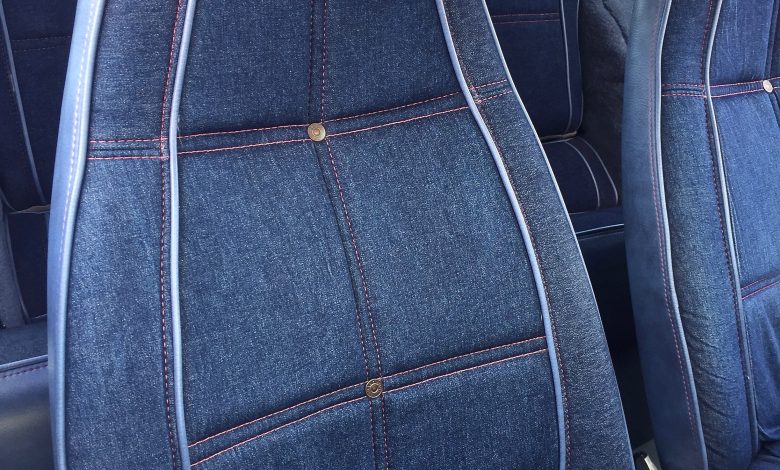
Featured image: 1973 AMC Gremlin X and Levi's package finished in Maxi Blue with white stripes at 2017 AMO meet 5of5 by Christopher Ziemnowicz (CZmarlin), CC BY-SA 4.0. Image reproduced without editorial alteration; WordPress may create resized display copies.