
Expect several demands to change together
Cold conditions can affect an electric car in several ways at once. The cabin requires heat, the battery may need temperature management, and available power or regenerative braking may be temporarily limited. Tires, road conditions, and wind can also change consumption. A winter range difference therefore has several possible causes rather than one simple explanation.
A short trip can make these effects particularly visible. Heating a cold cabin consumes energy before much distance has been covered. Several separate errands with long cold parking periods may require repeated warm-ups. Compare that pattern with a continuous journey before deciding that the car’s consumption display is behaving unusually.
Make a cold-day departure checklist
Use the vehicle’s supported preconditioning settings, verify the charging connection, and check the first planned stop before leaving. Cabin warmth and battery readiness are related tasks, but the car may manage them differently.
Prepare the car while it is parked
Many electric cars support scheduled cabin conditioning before departure. When connected to a suitable power supply, preparation may draw some or all of its energy from that connection, depending on the vehicle and available power. Consult the manual to understand the function rather than assuming every timer warms the battery as well as the cabin.
Set the departure time realistically and check the result during ordinary use. If your plans change, adjust the schedule instead of conditioning an empty car unnecessarily. Clear windows and suitable visibility remain essential. Comfort settings should support attentive driving, and saving energy is never a reason to tolerate fogged glass or inadequate demisting.
| Observation | Possible context | Practical adjustment |
|---|---|---|
| Higher energy use on a short trip | Heating demand is spread over little distance | Plan from seasonal experience |
| Reduced lift-off slowing | Battery conditions can limit regeneration | Be ready to use the brake pedal normally |
| Charging rate below expectation | Battery temperature and charge level can constrain it | Allow time and follow supported preparation guidance |
Interpret limited regeneration correctly
A cold battery may accept less incoming power, so the car can reduce regenerative braking. A high state of charge can also limit it. Depending on the vehicle, the same accelerator movement may therefore produce a different slowing response from the one you remember in milder conditions. Read any displayed messages and remain ready to use the brake pedal.
Do not rely on regeneration as a substitute for understanding road grip. Snow, ice, standing water, and poor visibility require appropriate driving choices. Learn the manufacturer’s guidance for the vehicle’s drive modes and braking behavior, and avoid experimenting with unfamiliar settings during a difficult journey.
Plan charging around the actual route
Keep additional flexibility when weather is severe or unfamiliar. A charger that looks conveniently placed on a map may involve a detour, an exposed wait, or limited nearby facilities. Plan a primary stop and an alternative before departure. Check that you can access the connector and payment method without depending on a last-minute setup.
If the vehicle offers battery preparation for a selected charging destination, follow its navigation and manual instructions. A cold battery can charge more slowly than an appropriately conditioned one, although charging behavior depends on many factors. Do not assume that the charger’s advertised output describes what the car will accept throughout the session.
Cold-weather confidence comes from a seasonal routine and a reserve, not from defending yesterday’s range prediction.
Editorial takeaway
Develop a seasonal routine
Observe representative winter journeys, check tire pressures according to the vehicle guidance, and keep the charging port and connector free from damage and obstruction. Use the manual’s instructions for frozen components rather than forcing them or applying improvised heat. With realistic reserves and a departure routine, cold-weather ownership becomes easier to predict. Seek professional help for persistent warnings or unusual charging failures instead of attributing every symptom to temperature.
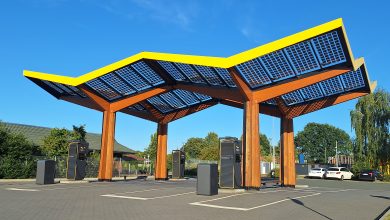
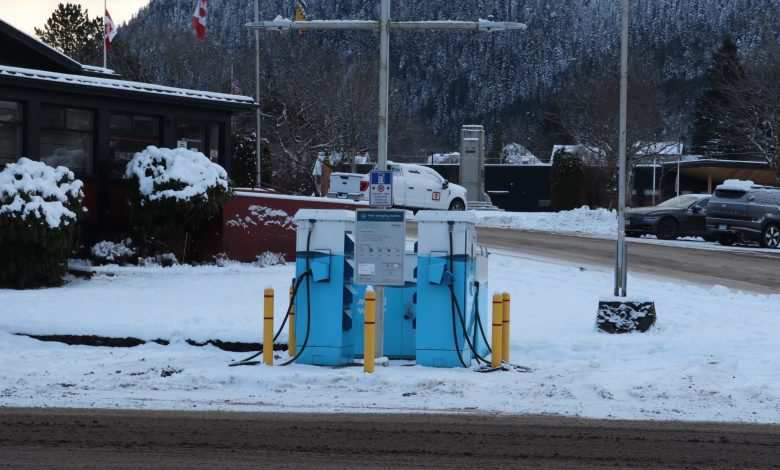
Featured image: Fast Charging Station in Snow by WindBorneListener, CC0 1.0. Image reproduced without editorial alteration; WordPress may create resized display copies.