Choose the meal before choosing the equipment
A road trip picnic can be simple, pleasant, and easier than searching for a restaurant with space for everyone. It becomes cumbersome when the packing starts with equipment rather than food. Decide what you want to eat, how it must be stored, and what is needed to serve it.
Choose familiar foods that suit the available temperature control and your group’s needs. Follow storage instructions for anything perishable. A modest meal that travels appropriately is more useful than an elaborate spread requiring conditions you cannot reliably maintain during the journey.
Pack the meal as a single task
Group serving items, napkins, and rubbish supplies with the meal kit so setup does not require opening several bags. Follow the food’s storage instructions and keep cleanup materials easy to reach when the meal ends.
Pack one complete meal kit
Put the utensils, napkins, serving items, and cleanup supplies together. When these are scattered among several bags, even a simple lunch requires extensive unpacking. A single kit also makes it easier to check that everything has returned to the car before departure.
Use containers that serve a clear purpose. A rigid box can protect sandwiches, while a small leak resistant container may suit a dressing. Avoid packing entire household packages when a sensible portion will do. Leave enough space to close containers again after the meal rather than forcing leftovers into improvised wrappers.
Select a location with practical advantages
Look for somewhere with suitable seating, shelter options, and facilities that match your group. A beautiful view does not automatically make a convenient lunch stop. A short walk from parking may be enjoyable for some travelers and awkward for others carrying food and managing children.
Identify a backup if the preferred tables are occupied or the weather changes. That might be a different public picnic area or an indoor meal option. A backup makes the picnic flexible; it prevents a packed lunch from becoming a reason to stay somewhere uncomfortable.
| Meal choice | Packing benefit | Question before departure |
|---|---|---|
| Ready-to-eat portions | Fewer serving tools | Can the food be stored as required? |
| Shared spread | Flexible portions for the group | Which utensils and clean surfaces are needed? |
| Food bought near the stop | Less meal equipment in the car | Is there a fallback if the shop is unavailable? |
Arrange the load for a quick setup
Keep the picnic kit and food accessible within a properly secured luggage arrangement. Avoid putting lunch below everything needed for the overnight stay. Consider the unloading order when packing so the meal does not require moving cases onto wet ground or rearranging the whole cargo area.
Bring a suitable way to clean hands and handle used utensils. Keep clean serving items separate from waste after the meal. If reusable equipment must be washed later, give it a dedicated container so damp or food stained items do not touch clean clothes and travel supplies.
A good travel picnic leaves more room for the outing than for the equipment used to serve it.
Editorial takeaway
Make packing away part of the plan
Before leaving, collect packaging and check the area for small personal items. Store remaining food according to its requirements and discard anything that cannot be kept appropriately. Do not assume a half empty cooler or closed box makes every leftover suitable for the rest of the day.
A compact picnic works because each element has a job: the food travels well, the location supports the group, and cleanup is straightforward. With those decisions made, the stop can offer a genuine change of pace without turning the car into a temporary kitchen.
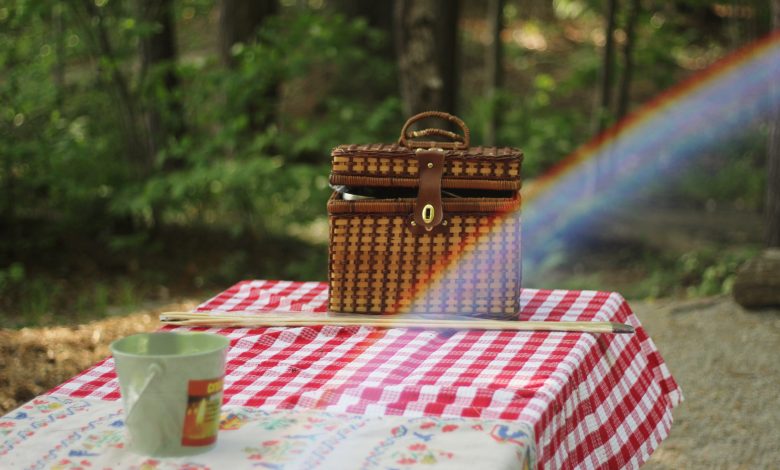
Featured image: Picnic basket (Unsplash) by Bonnie Kittle (bonniekdesign), CC0 1.0. Image reproduced without editorial alteration; WordPress may create resized display copies.