Assess the space from the passenger’s position
Rear seat comfort is easy to overlook when most planning happens from the front. Before packing, sit in each occupied rear position and notice the available foot space, storage, ventilation, and view. A bag that appears harmless from outside may occupy the exact place where a passenger wants to rest their feet.
Ask the people using those seats what would help. One traveler may want a place for a book, while another values an unobstructed view through the side window. Small preferences are easier to accommodate before the car is full than after everyone has settled in for several hours.
Ask from the rear seat
Have rear passengers try their normal positions before loading the car. Check foot space, access to personal supplies, and whether a front seat adjustment changes their comfort; discuss changes while parked.
Keep normal seating arrangements intact
Use seats and restraints as their manufacturers intend. Comfort accessories should not interfere with a belt’s fit, seat operation, or safety equipment. Consult the vehicle manual and any relevant accessory instructions before adding cushions, organizers, or covers around the seating area.
Keep footwells free from loose piles and preserve a natural seated position. If the rear area only works when passengers twist around luggage, reduce the load or revise the packing arrangement. A clever organizer cannot compensate for bringing more belongings than the available space comfortably supports.
Make personal supplies reachable
A small personal pouch can hold a book, tissues, headphones, and other ordinary items. Let each passenger choose a limited collection and store it in a suitable compartment. This prevents repeated requests to retrieve belongings from the main luggage and gives everyone some independence during the journey.
Check how items will be put away after use. A tablet without an appropriate storage place can become part of a growing pile beside the seat. Choose containers that close easily and keep possessions contained rather than relying on a passenger to balance several objects throughout the drive.
| Area | Parked check | Practical response |
|---|---|---|
| Foot space | Can feet rest normally without luggage? | Move belongings into suitable storage |
| Personal supplies | Can the passenger reach their own pouch? | Keep a few useful items nearby |
| Temperature and sound | Can the passenger explain what feels uncomfortable? | Agree on airflow, volume, and break preferences |
Discuss temperature and sound
The rear cabin can feel different from the front because sunlight and ventilation reach it differently. Ask for feedback during ordinary stops and adjust suitable controls while parked. Clothing layers can help travelers manage personal preferences without repeatedly changing the whole cabin environment.
Sound also travels unevenly. Music that seems quiet in front may be distracting beside a rear speaker. Agree on a comfortable volume and include quiet periods. Headphones can support individual entertainment where appropriate, but they do not remove the need for clear communication about stops and shared plans.
Rear seat comfort improves when the people using the space help decide how it is arranged.
Editorial takeaway
Let the schedule support comfort
Even a well arranged seat benefits from regular opportunities to leave the car. Choose stops where passengers can walk, sit elsewhere, and reset their belongings. Include enough time that the rear travelers are not always the last to get out and the first hurried back inside.
Rear seat comfort depends on space, access, communication, and a considerate pace. Checking those basics from the passenger’s viewpoint is often more effective than buying additional accessories. A few thoughtful adjustments can make the entire group feel more included in the journey.
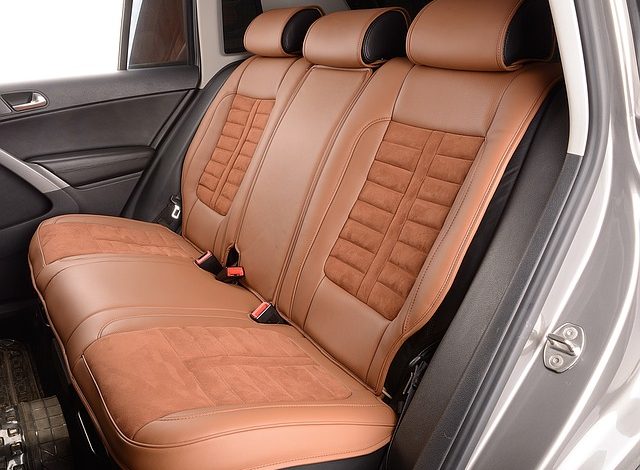
Featured image: Car rear seats by Gmail56789, CC BY-SA 4.0. Image reproduced without editorial alteration; WordPress may create resized display copies.