A maintenance schedule becomes useful when it connects the vehicle manufacturer’s requirements with the way the car actually works. Distance alone cannot describe a car that spends mornings idling in traffic or makes only short journeys. Begin with the correct owner’s manual and maintenance booklet for the engine, transmission, and model year, then turn their requirements into a practical calendar.
Identify the right starting point
Find the normal and severe service descriptions before choosing an interval. Severe service does not necessarily mean aggressive driving. Repeated short trips, dusty roads, extended idling, and towing can qualify, depending on the manufacturer’s wording. A commuter covering a small distance in congested streets may need a different oil schedule from someone making long, uninterrupted highway journeys.
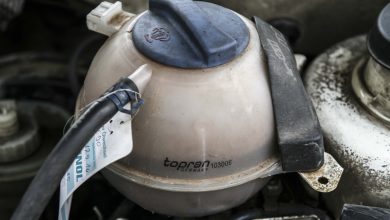
Write down both the mileage and time limits. When a requirement says to service at a particular distance or elapsed period, whichever arrives first usually controls. A lightly used car can therefore need attention before it reaches the mileage figure. Do not reset the clock simply because the fluid looks clean through its reservoir.
Build a calendar that survives a change in routine
Keep time-based and distance-based due points side by side. When daily use changes, compare the new journey pattern with the manual’s operating categories before moving any reminders. Mark unknown previous work as unresolved rather than starting a fresh interval without evidence.
Separate inspection from replacement
A schedule may ask for a belt inspection at one visit and replacement at another. These are different jobs. An inspection checks condition, routing, tension, or leakage as applicable; replacement renews the part. Mark them separately so a receipt saying ‘checked’ does not become evidence that a component was changed.
Include accessible owner checks between workshop visits. Engine oil level, cold coolant level, and visible leaks can reveal changes long before the next scheduled appointment. These checks supplement the service schedule rather than extending it. Record a repeated need for topping up, because the pattern may deserve diagnosis.
| Operating pattern | Planning question | Record to keep |
|---|---|---|
| Repeated short trips | Does the manual classify this use differently? | Typical trip length and cold-start frequency |
| Low annual mileage | Which time limit arrives before the distance limit? | Last completion date as well as odometer |
| Dust or towing | Which additional inspections apply? | Exposure changes and relevant schedule category |
Group work without losing deadlines
Combining compatible jobs can reduce repeat visits. For example, an engine air filter inspection and an oil service can share one appointment. However, an inexpensive convenience does not justify delaying an overdue timing belt. Ask the workshop which jobs naturally overlap and which have independent limits.
Create a simple record with the task, last completion date, odometer reading, required specification, and next due point. Keep invoices beside it. When the service history is incomplete, label the uncertain items as unknown instead of assuming that a previous owner completed them.
Review the plan when use changes
A move to a dusty area, a new towing routine, or months of storage can change the maintenance picture. Revisit the manufacturer’s operating categories when those changes happen. If the manual is unclear, give the workshop a concrete description of the journeys rather than asking whether the car needs a ‘major service.’
A useful service calendar follows both the car’s deadlines and the work it actually does.
Editorial takeaway
Make the schedule easy to follow
The best schedule is one that remains visible and understandable. Use reminders early enough to arrange parts and appointments, and update the record immediately after work. A personalized schedule preserves the manufacturer’s requirements while making each visit purposeful, traceable, and easier to budget for.
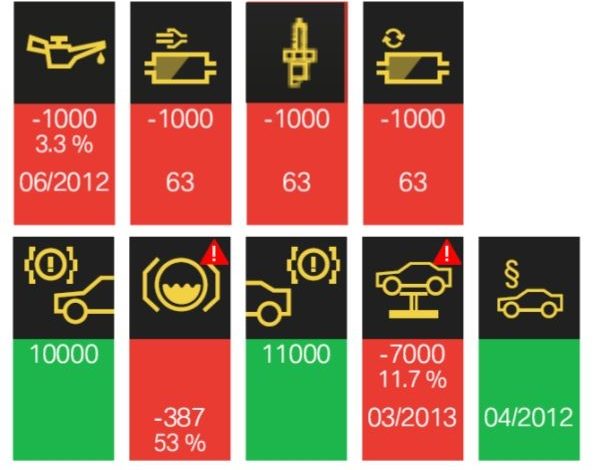
Featured image: ConditionBasedService BMW.jpg by Ing Nbg, CC BY-SA 4.0. Image reproduced without editorial alteration; WordPress may create resized display copies.