
Start with the change in behavior
A vehicle that begins drifting after tire replacement deserves a careful follow up, but the timing does not prove that alignment suddenly changed. Tires can generate different lateral forces, pressures can be incorrect, and an existing alignment condition can become more noticeable with a new tread design. Record whether the vehicle consistently moves to one side or whether the steering wheel merely sits at an angle. Those are related observations, but they describe different aspects of the complaint.
Describe pull separately from wheel position
Tell the shop whether the car changes direction, the steering wheel sits crooked while tracking straight, or both. Include whether braking changes the symptom; this prevents a single word from concealing two different complaints.
Verify pressures and installation details
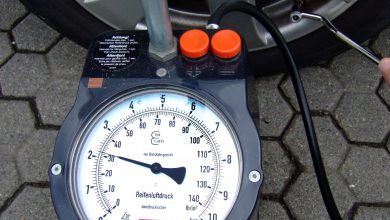
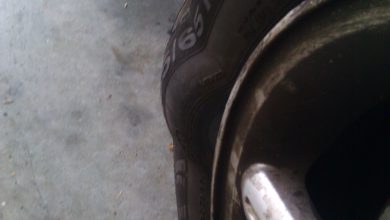
Check cold pressures against the vehicle placard, allowing for any front and rear difference. An installer may have used a general pressure rather than the correct vehicle target. Confirm the fitted sizes, directional arrows where applicable, and outside markings on asymmetric tires. Also check whether different wheel specifications are intended for different axles. Owners should make visual observations from a safe parked position; mounting corrections and wheel torque checks belong with properly equipped personnel.
| Observation | Possible relevance | Useful follow-up |
|---|---|---|
| Drift varies between roads | Road crown or surface may contribute | Describe several ordinary journeys |
| Pull began immediately after fitting | Pressure, fitment, or tire force warrants review | Bring the tire invoice and request installation checks |
| Pull mainly during braking | Brake or suspension behavior may be involved | Report promptly rather than requesting alignment alone |
Understand how tires can create lateral force
A tire is not a perfectly neutral cylinder under load. Construction differences can produce a tendency to steer slightly sideways as it rolls. Sometimes a vehicle develops a pull even when measured alignment is acceptable. A tire professional can use controlled position changes, where the tire design and vehicle allow them, to see whether the direction of pull changes. That is a diagnostic comparison, not permission to swap directional or staggered assemblies arbitrarily. The result should be interpreted alongside wheel angles and other chassis findings.
Separate road effects from vehicle faults
Road crown can encourage a drift toward the lower side of the pavement. Wind, uneven loading, and road surface grooves can also affect tracking. Describe observations from normal driving on more than one suitable road rather than performing hands off tests. If the pull appears mainly while braking, a brake or suspension issue may deserve priority. If it changes under acceleration, the technician may investigate driveline forces or movement in chassis bushings instead of treating the problem as a simple tire complaint.
The timing of a pull helps frame the investigation, but it does not name the faulty part.
Editorial takeaway
Return with information that narrows the cause
Tell the installer when the behavior began, the speeds involved, and whether the previous tires showed unusual wear. Ask for pressure and fitment checks before authorizing repeated alignment adjustments. If alignment is measured, request an explanation of the results and any worn parts that could prevent stable settings. A new tire purchase should not leave the owner compensating constantly at the steering wheel. A structured comparison can distinguish a tire related force from incorrect angles, brake drag, or an unrelated road effect and lead to the right correction.
Bring the invoice showing the exact tires installed. Similar model names can cover several constructions, and confirming the actual specification helps the shop make a meaningful comparison between assemblies.
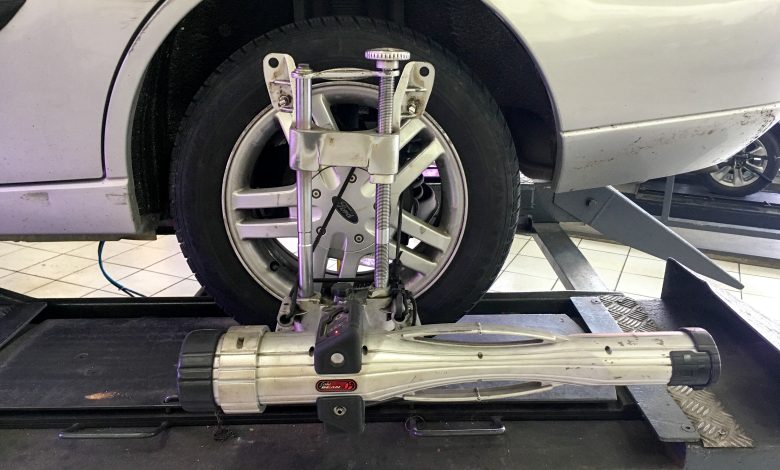
Featured image: Wheel alignment on a Ford Focus 1 by Photograph by Mike Peel (www.mikepeel.net)., CC BY-SA 4.0. Image reproduced without editorial alteration; WordPress may create resized display copies.