Collecting a car after routine service is a useful moment to confirm what was completed and what still needs attention. This does not require inspecting every fastener or challenging the technician’s work. A short, organized review can catch misunderstandings, preserve the maintenance history, and make any necessary follow-up much easier to arrange.
Compare the invoice with the agreed scope
Read the completed-work section against the original booking. Confirm which fluids and filters were renewed and which were only inspected. If a requested item was not completed, ask why and whether another appointment is needed. A part delay or diagnostic finding should have a clear place in the record.
Check that the vehicle details and mileage are correct. These may seem administrative, but they determine future due points. A misplaced digit can make a later service appear overdue or recently completed when neither is true. Ask for corrections while the workshop still has the job information at hand.
Close the paperwork loop before departure
Compare the invoice with the agreed work and ask about omissions or substitutions while staff can explain them. Keep completed replacements, inspection findings, and future recommendations distinct. Make simple stationary observations without reaching into hot or moving machinery.
Clarify materials and findings
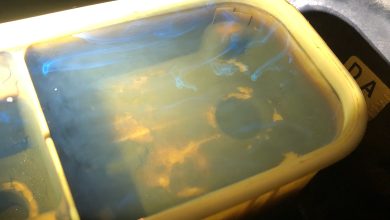
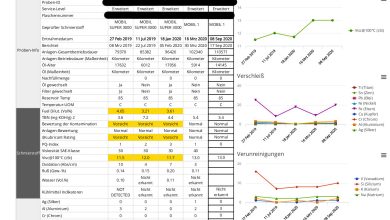
The invoice should identify the specified oil or other service fluids clearly enough to support future top-ups. Ask about an unfamiliar description rather than substituting a guess. Where a leak or contamination concern was investigated, request the actual finding and any test performed, expressed in understandable terms.
For example, ‘coolant checked’ leaves open whether the level, concentration, or leakage was assessed. A more precise explanation makes the result useful. If a component is being monitored, establish what change should trigger another visit and whether there is a planned review date.
| Item | Useful question | Record to retain |
|---|---|---|
| Scope | Which agreed tasks were completed or deferred? | Itemized work and reasons for any deferral |
| Materials | Which fluid specification and parts were used? | Identifiable products rather than quality descriptions |
| Follow-up | What is next due, and what change warrants contact? | Date or mileage plus monitoring instructions |
Make simple stationary observations
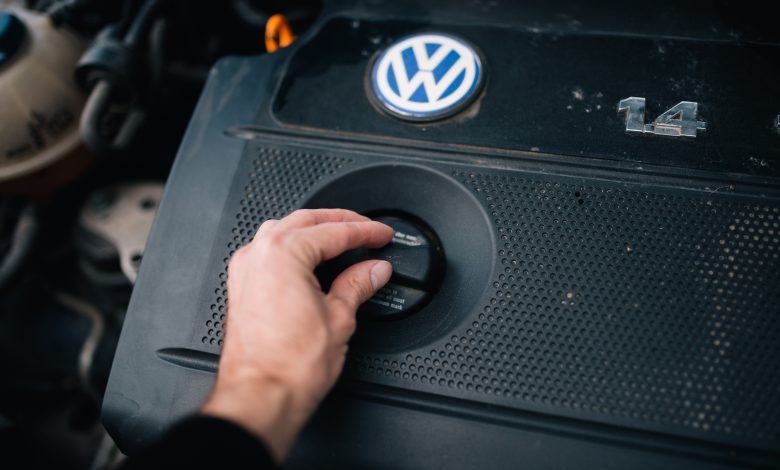
Before driving away, check that accessible caps and covers appear properly fitted and that nothing obvious was left in the engine compartment. Only do this where the workshop permits safe access and with the engine off. Do not touch hot components or reach into unfamiliar spaces to verify hidden work.
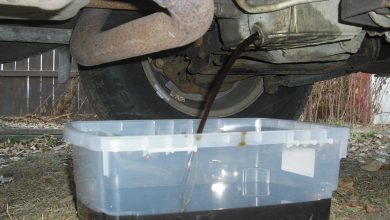
Look beneath the parked vehicle for a fresh spill, recognizing that an existing wet floor may not belong to your car. A new smell after service can sometimes be residue, but it should still be reported if strong or persistent. The workshop can decide whether cleaning or further inspection is needed.
Understand the next due point
Confirm the next mileage and calendar deadline for the serviced item. A reminder reset may cover only one part of the maintenance schedule. Other work, such as a time-based coolant replacement, can remain due independently. Put any deferred recommendations into the same planning system you use for scheduled service.
If a short follow-up check is requested after cooling-system or sealing work, ask exactly when and under what conditions. A cold coolant check is different from an immediate hot inspection. Clear instructions reduce the chance that the owner accidentally introduces air or opens a pressurized system.
The final service check joins the work performed to a clear record and a usable next step.
Editorial takeaway
Report changes promptly
During the next few journeys, note any new symptom and contact the workshop with the timing and conditions. Retain the invoice and update the service record. A careful handover closes the routine job and establishes a shared understanding of the vehicle’s condition before regular use resumes.
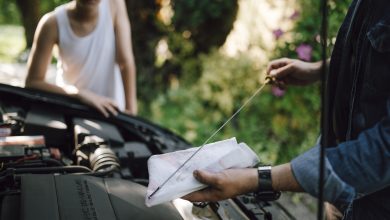
Featured image: Car mechanic checking oil levels.jpg by Nenad Stojković (Shixart1985), CC BY 2.0. Image reproduced without editorial alteration; WordPress may create resized display copies.