How Dashboard Finishes Affect Reflections and Readability

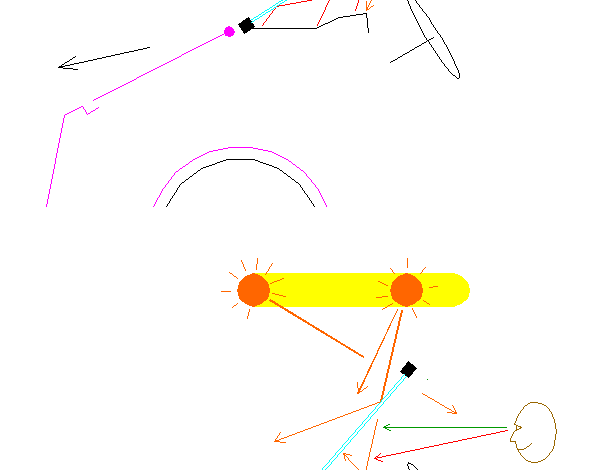
A dashboard finish affects more than the cabin’s appearance. Its color, texture, and gloss influence reflections in the windshield and on nearby displays. These effects become especially apparent when sunlight strikes at an awkward angle. Understanding them helps owners evaluate interior materials and avoid cleaning or accessory choices that make the forward view harder to interpret.
Gloss changes the character of reflections
A smooth glossy surface can produce a relatively distinct reflection, while a textured matte surface tends to scatter reflected light more broadly. Neither finish removes light altogether, and shape also matters. A curved section may catch sunlight differently as the car changes direction. This explains why a dashboard that looks unobtrusive indoors can reveal distracting bright areas when the vehicle is parked outside under a clear sky.
Inspect the finish outside
From the normal seated position, compare the cabin in different parked orientations. Look at both the road view through the windshield and the displays; cleaning residue, bright objects, and trim can create different reflections.
The windshield can become a second image plane
Light from the top of the dashboard can reflect in the windshield, producing an image that overlaps the road view. Bright trim, papers, or pale objects near the glass may be particularly noticeable. A reflected object does not need to block the view physically to make it harder to see low contrast details beyond the windshield. Keep this area free of loose items and evaluate reflections from the normal driving position.
Display surfaces create another challenge
Touchscreens and glossy instrument covers may reflect side windows or bright clothing. Increasing screen brightness can sometimes help readability, but it may not address a strong reflection or an unfavorable viewing angle. A hooded instrument display can reduce some incoming light, while screen placement influences what is reflected. When assessing a vehicle, look at the display with the doors closed and the seat correctly set, rather than from an angle outside the car.
| Source | What to notice | Practical check |
|---|---|---|
| Upper dashboard finish | An image reflected over the forward view | Inspect in sunlight from the driving seat |
| Display cover | Reflections of windows or clothing | Check readability with doors closed |
| Cleaning residue | Added shine or haze | Follow the material’s recommended care method |
Cleaning products can alter the result
Products that leave a shiny residue may change the optical behavior of a previously subdued surface. Use the care method recommended for the actual material, and avoid treating the entire dashboard with an unfamiliar product simply because it produces a polished appearance. Residue on the inside of the windshield can add haze and scatter light. Clean that glass carefully with appropriate materials, taking care around cameras, sensors, and delicate trim.
A dashboard finish proves its usefulness in changing daylight, when the driver still needs a calm and readable view.
Editorial takeaway
Evaluate materials in real lighting
Inspect the cabin facing different directions when safely parked, and notice how sunlight changes what is visible. Check whether bright trim near the windshield distracts you and whether the display remains legible without an uncomfortable head position. If an accessory mat is considered, verify secure fit and keep airbag deployment areas and vents unobstructed. The practical conclusion is that good interior finishes balance appearance, maintenance, and visual comfort. A calm surface that remains readable in sunlight may serve everyday driving better than a dramatic finish chosen only under showroom lighting.
Featured image: Automobile dashboard reflection by Stef Breukel (World arm lamp at English Wikipedia), Public domain (author release). Image reproduced without editorial alteration; WordPress may create resized display copies.