Separate the battery’s size from its availability
Battery capacity describes an amount of stored energy, commonly expressed in kilowatt-hours. It is different from charging power, which describes how quickly energy moves. When comparing electric cars, identify whether a capacity figure describes total battery capacity or usable capacity. The usable figure is generally more relevant to ordinary driving because it represents the energy the vehicle makes available within its operating limits.
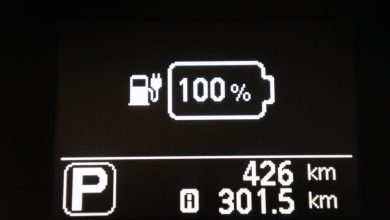
Manufacturers can reserve energy at the upper and lower ends of a battery’s operating window. These protected areas support battery management and operating behavior. A dashboard reading of full therefore should not be interpreted as permission to override charging controls or pursue additional capacity through modifications.
Check which capacity figure is quoted
When comparing cars, label each figure as gross or usable before drawing conclusions. If the source does not identify the basis, treat the comparison as incomplete rather than assuming the two numbers describe the same thing.
Understand what the percentage display represents
The battery percentage is a managed estimate of state of charge. It is not a direct measurement of remaining distance. Two cars showing the same percentage may have different usable capacities, different efficiency, and different accessory demands. Even the same car can travel different distances from the same displayed percentage under different conditions.
Suppose a driver uses roughly one quarter of the indicated charge on a familiar route. That observation can help with planning, but it does not establish a permanent range for the vehicle. Headwinds, temperature, detours, traffic speed, and cabin comfort settings can alter the next journey. Keep an operating margin instead of treating the previous result as a guarantee.
| Term | What it describes | What it cannot tell you alone |
|---|---|---|
| Gross capacity | Total stated battery energy capacity | The full amount available to the driver |
| Usable capacity | Energy made available within managed limits | Range without an energy-use assumption |
| Displayed charge percentage | A managed indication of remaining charge | An independent measurement of battery health |
Relate capacity to your actual routine
A larger usable battery can provide more distance between charging stops, but capacity alone does not describe ownership convenience. Consider how often you can charge, how long the car remains parked, and how much energy your routine usually consumes. A smaller battery with dependable overnight charging may fit a modest commute comfortably.
By contrast, someone with infrequent charging access may value additional stored energy even when daily mileage is low. Write down a typical week, including the longest regular day and unusual errands. Evaluate whether charging opportunities cover those demands without requiring a tightly timed stop every time plans change.
Keep capacity separate from battery condition
Usable capacity is not the same as a battery health assessment. Batteries can change with age and use, and the displayed range estimate also changes with recent driving conditions. A lower range prediction by itself cannot establish how much permanent capacity has been lost. It could reflect colder weather or a recent highway journey.
When evaluating a used electric car, ask what battery information is available through documented vehicle tools or a qualified inspection. Understand the conditions and limitations of any reported measurement. Avoid equating a single dashboard photograph with a comprehensive battery assessment, particularly when the car’s recent driving and charging history are unknown.
Capacity becomes useful when its definition and your driving needs are both clear.
Editorial takeaway
Make capacity one part of the decision
Compare usable capacity alongside efficiency, charging access, luggage requirements, and the journeys you actually make. Read the manual’s charging guidance for the particular vehicle rather than applying a universal percentage rule. A useful battery is one that supports your routine with practical reserve. Knowing the available energy helps you plan sensibly, but safe ownership still depends on suitable charging equipment and professional attention when the vehicle reports an electrical fault.
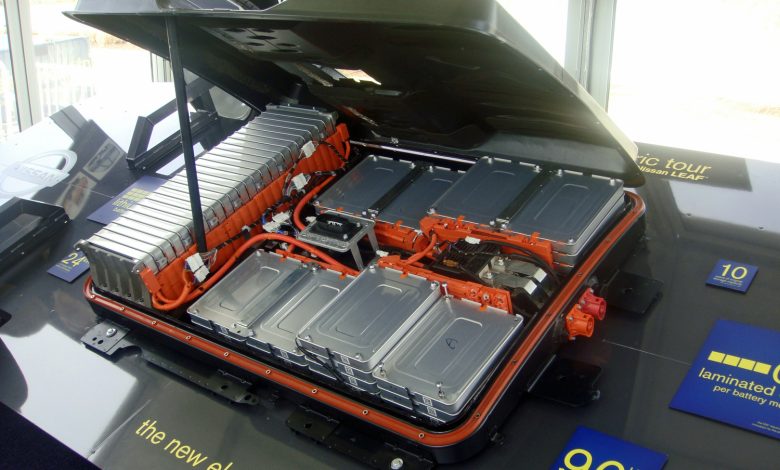
Featured image: Nissan Leaf battery pack DC 03 2011 1629 by Mario Roberto Duran Ortiz (Mariordo), CC BY-SA 3.0. Image reproduced without editorial alteration; WordPress may create resized display copies.