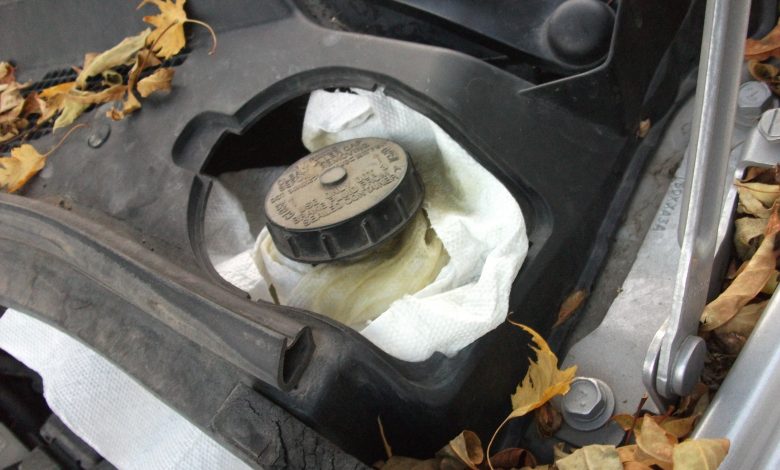
Fluid carries force through the system
In a hydraulic brake system, fluid transfers force from the master cylinder to the brakes at the wheels. It must work through a wide range of temperatures while remaining compatible with seals and other materials. Brake fluid is therefore a specified component, not a general purpose liquid. Use only the type approved for the vehicle. A container with a similar name is not automatically suitable, and mixing the wrong product can create a costly and unsafe problem.
Confirm the fluid before opening a container
Use the exact fluid designation required by the vehicle. Similar-looking fluids are not automatically compatible, and an opened container with uncertain history is a poor basis for a moisture-sensitive service.
Moisture changes how common fluids behave
Many common automotive brake fluids absorb moisture over time. Moisture can lower boiling resistance and contribute to corrosion inside the system. Under high brake temperatures, vapor formation can interfere with the firm transfer of hydraulic force. This is one reason a car can seem normal in light use yet still need scheduled fluid service. Follow the vehicle maker’s interval or assessment procedure rather than deciding that old fluid is acceptable because the pedal feels normal on the way to the shops.
| Question | Why it matters | Useful evidence |
|---|---|---|
| Which specification is required? | The hydraulic system needs compatible fluid | Vehicle service information and container marking |
| Why has the level fallen? | Wear and leakage require different responses | Inspection findings rather than a top-up alone |
| What did the service include? | Replacement and a condition check are different tasks | Record of fluid used and work completed |
The reservoir level needs interpretation
Brake fluid level can fall gradually as disc brake pads wear and the caliper pistons sit farther out. A low level can also mean a leak. Simply filling the reservoir removes a clue and can lead to excess fluid when worn pads are later replaced and pistons are moved back. Check the level only as the manual directs, and do not open the reservoir unnecessarily. If the level is below the permitted range or drops suddenly, obtain a professional inspection before further use.
Cleanliness is essential during service
Brake systems are sensitive to contamination. Petroleum based products can damage seals, and dirt can interfere with valves and small passages. Fluid taken from an old open container may have absorbed moisture or become contaminated. A fluid exchange also requires the correct process, particularly where an anti lock hydraulic unit has special bleeding requirements. This is not a job to improvise by opening random bleed screws. A qualified technician should use the proper fluid, clean equipment, and the specified procedure.
Brake fluid service is about dependable force transmission, not simply a reservoir that looks full.
Editorial takeaway
Ask what the service established
When fluid service is due, ask whether the system was inspected for leaks and whether any unusual contamination was found. If fluid was unexpectedly low, the reason should be explained rather than hidden by a top up. Keep a record of the fluid specification and service date. Wipe up accidental exterior spills promptly using the vehicle maker’s advice, since some fluids damage painted surfaces. Treating fluid as a maintained part of the braking system helps preserve both dependable pedal feel and the internal components that owners rarely see.
Fluid color alone does not provide a complete condition assessment. A clear looking sample can still contain moisture, while darkness can reflect several different processes. If the shop uses a test, ask what property it measures and how the result relates to the vehicle’s maintenance requirements. That is more useful than approving or rejecting service from a photograph of the reservoir.
Featured image: Brake fluid (5049376195) by dave_7, CC BY 2.0. Image reproduced without editorial alteration; WordPress may create resized display copies.