Two services address different conditions
Wheel balancing and wheel alignment are often discussed together, but they solve different problems. Balancing addresses uneven mass in a rotating tire and wheel assembly. Alignment addresses the angles at which the wheels meet the road and relate to the vehicle. Both can affect comfort and tire life, yet requesting one by name without describing symptoms can send an inspection in the wrong direction. Begin with what you feel, when it occurs, and what changed recently.
Describe the motion before naming the service
Tell the shop whether vibration follows road speed, braking, acceleration, or surface changes. Mention recent tire work or impacts. These distinctions help frame the inspection, while wheel and tire condition and correct mounting remain part of the foundation for either balancing or alignment.
Speed related shaking suggests rotating causes
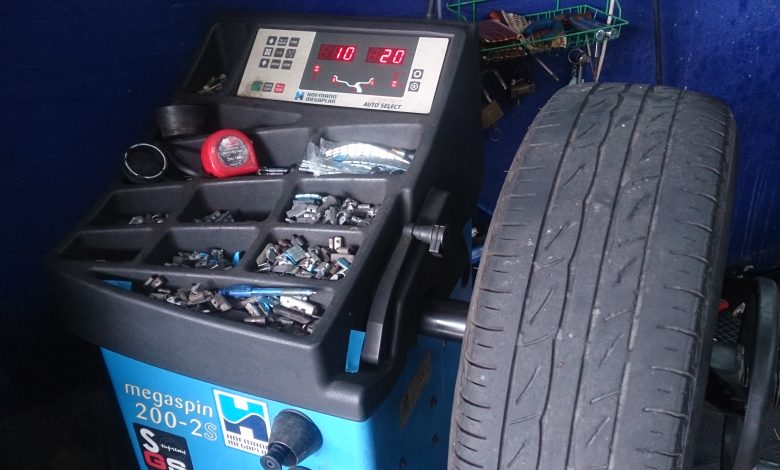
An imbalance commonly becomes more noticeable within a particular road speed range. The steering wheel may shake, or vibration may be felt through the seat and floor, depending on which assembly is involved and how the vehicle transmits motion. However, a damaged tire, bent wheel, accumulated mud, or incorrect wheel mounting can create similar sensations. If vibration begins immediately after tire service, report that timing. A balance machine result alone does not prove that a tire is round or that the wheel is mounted correctly on the vehicle.
| Concern | Relevant investigation | Why one service may be insufficient |
|---|---|---|
| Shaking within a speed range | Balance, runout, tire condition, and mounting | A bent or damaged assembly is not repaired by weights |
| Off-center steering or drift | Angles, pressure, tires, and other influencing conditions | An angle adjustment cannot explain every pull |
| Wobble after an impact | Wheel, tire, and nearby component inspection | Structural damage should be assessed before adjustments |
Directional behavior suggests a different investigation
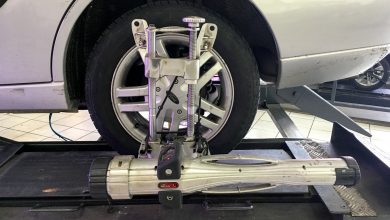
A steering wheel that sits off center while traveling straight can indicate an alignment issue. Uneven tread wear and a persistent drift can also justify checking wheel angles. Road slope, uneven tire pressure, tire construction forces, and dragging brakes can influence drift, so the vehicle should be assessed under appropriate conditions. Do not repeatedly release the steering wheel to test a pull on public roads. Describe the behavior observed during ordinary, attentive driving and let a technician perform controlled comparisons.
Inspect the foundation before adjusting anything
Worn steering joints, damaged bushings, loose wheel bearings, or incorrect ride height can undermine both diagnosis and alignment. A wheel with play will not hold a precise angle under load even if the machine displays an acceptable stationary reading. Likewise, balancing a tire with structural damage does not repair the damage. For example, a vehicle that develops a wobble after hitting a deep hole may need wheel and tire inspection before either balancing or alignment is authorized.
The best wheel-service request starts with the symptom and ends with evidence that it was resolved.
Editorial takeaway
Ask for results that answer the complaint
Explain whether shaking depends on speed, braking, acceleration, or road surface. These distinctions help separate rotating imbalance from brake vibration and other chassis movement. When alignment is performed, ask for the measurements and an explanation of any values that could not be corrected. When balancing is performed, ask whether the wheels and tires were checked for damage or unusual runout. A successful service should improve the original symptom and leave no unresolved safety issue. Understanding the difference between these procedures makes the repair conversation more precise and avoids expecting a wheel angle adjustment to cure every vibration.
Also mention any recent wheel removal. Dirt trapped against a mounting face or unsuitable hardware can affect how an assembly seats, and neither balancing nor alignment substitutes for correct installation.
Featured image: Wheel balancing.jpg by ProjectManhattan, CC BY-SA 3.0. Image reproduced without editorial alteration; WordPress may create resized display copies.