A clear workshop brief helps turn a booking into the right work. It identifies the scheduled maintenance, explains any symptoms, and establishes how additional findings should be handled. The most useful brief is short enough to read quickly but specific enough that the workshop does not have to guess what the owner means.
Separate the scheduled work from concerns
Start with the vehicle identification, current mileage, and the service items due according to the maintenance record. Then list symptoms separately. A routine oil service and an intermittent coolant smell are related only in the sense that they can be addressed during the same visit; they require different kinds of attention.
Use direct descriptions such as ‘inspect the source of a small fluid spot appearing after overnight parking.’ Avoid requesting replacement of a guessed component unless a diagnosis already supports it. A leak may travel along a surface before reaching the ground, so the apparent location can mislead an owner.
Give the workshop a reproducible concern
For each symptom, include when it happens, how often it happens, and what recently changed. Keep scheduled replacements separate from requests for diagnosis. A short list with clear boundaries helps the workshop explain what the appointment can cover and when further contact is needed.
Describe when the problem occurs
Include cold or warm conditions, journey length, frequency, and any recent maintenance. For example, a shift concern that appears only after a long climb may not occur during a brief cold road check. This context helps the workshop plan a suitable inspection and prevents a normal short visit from being mistaken for a complete reproduction attempt.
Bring photographs or a brief written log when the condition is intermittent. Do not attempt to record while driving. A parked photograph of the fluid level or a dated note made after the journey can be enough to establish a pattern without creating another problem.
| Brief section | Include | Avoid assuming |
|---|---|---|
| Scheduled service | Due items and relevant service history | That a service package includes every overdue task |
| Symptom investigation | Observable behavior and operating conditions | That the suspected part is already proven faulty |
| Additional findings | Contact method and agreed scope | That extra work has been authorized by mentioning a concern |
Agree on the scope of authorization
Ask what the booked service includes and whether the workshop expects separate diagnostic time for the listed concern. Establish a practical contact method and ask to be consulted before work outside the agreed scope. This is ordinary job planning: it lets the workshop proceed efficiently while keeping decisions clear.
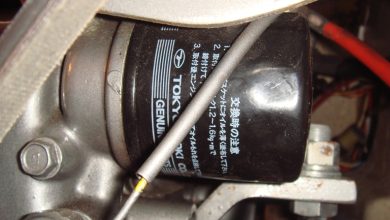
If you are supplying parts or fluids, discuss their suitability in advance. Arriving with an incompatible filter can interrupt the appointment. The workshop should know the required specification and whether any sealing parts, special procedures, or access work are needed to complete the job properly.
Request useful findings at collection
Ask for completed work, measured or observed findings, and remaining recommendations to be identified separately. A comment such as ‘monitor coolant’ becomes much more useful when it includes the current cold level, the reason for monitoring, and the conditions that should prompt another visit.
For scheduled replacements, request enough detail to update the maintenance record. Confirm whether a reminder was reset and which next due date or mileage applies. A dashboard reminder and the full maintenance schedule may not represent every service item on the vehicle.
A clear workshop brief describes the job and the evidence before it names a replacement part.
Editorial takeaway
Close the visit with a short review
Read the invoice before filing it, clarify unfamiliar entries, and record any follow-up commitment. A good brief and a clear closing record form a complete loop. They help the owner understand the work and give the workshop a reliable starting point if the same concern returns.
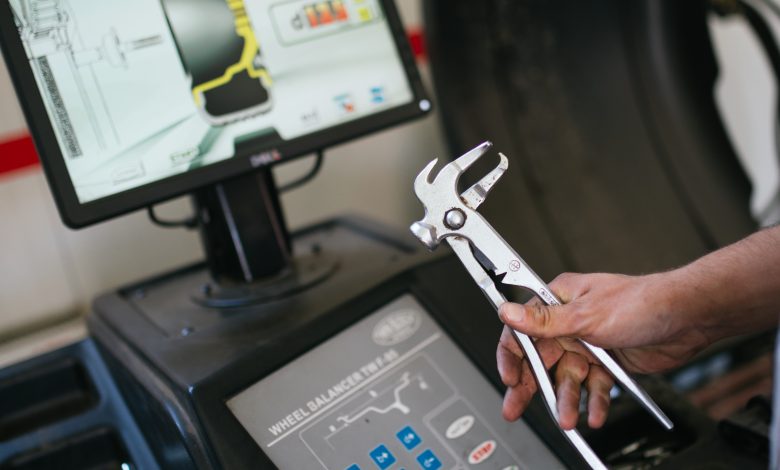
Featured image: Mechanic works on machine at an automotive service center.jpg by Nenad Stojković (Shixart1985), CC BY 2.0. Image reproduced without editorial alteration; WordPress may create resized display copies.