Ask what makes a stop useful
A group of travelers may share a destination while needing very different things from the journey. One person wants a short walk, another needs somewhere to sit, and a child may want space to move around. Planning a few stops with overlapping facilities helps everyone without turning each break into several separate errands.
Discuss practical preferences before choosing locations. Ask about walking distances, shade, seating, and easy access to refreshments. People sometimes hesitate to mention these needs once a group is already traveling, especially when the itinerary appears fixed and everyone else seems eager to continue.
A stop with choices
Choose a location where a short walk, seated rest, and refreshments can start from the same accessible meeting point. Confirm the route between parking and facilities rather than judging convenience by the map marker alone.
Look beyond the name on the map
A park can be an excellent stop, but its label alone tells you little about how it will work. The toilets may be far from the parking area, seating may be limited, or the cafe may be seasonal. Review the available facilities and keep a second option nearby when details are unclear.
A town center can offer greater choice but also require more walking between activities. Decide whether the stop is for a quick practical break or a longer visit. That distinction helps you judge whether a central car park is convenient or simply adds another layer of navigation and searching.
Give the stop a shared meeting point
Travelers do not all need to do the same thing during every break. Some might visit a bakery while others sit in a garden. Agree on a clear meeting place and a reasonable departure window before splitting up. A named entrance is more helpful than a vague instruction to meet near the car park.
Keep the arrangement simple enough for everyone to remember. If communication is unreliable, a visible landmark and agreed time are useful. Avoid depending on a sequence of messages to gather people back together, particularly at busy attractions where several entrances look similar.
| Stop type | Useful advantage | Check before choosing |
|---|---|---|
| Roadside service area | Several practical needs in one stop | Walking distance, seating availability, and crowding |
| Park or picnic area | Space to move and rest outdoors | Toilets, shelter, and a firm route from parking |
| Town center | Different food and activity choices | Parking access and a recognizable meeting place |
Protect the unhurried parts of the day
A break that feels rushed may provide little comfort even when the facilities are good. Allow time to find the toilets, order food, and return without pressure. If the itinerary contains a fixed reservation later, choose an earlier stop with fewer uncertain steps.
Build some flexibility into the destination schedule rather than trying to extract it from every break. For example, shorten an optional sightseeing visit if the group needs a slower lunch. This makes comfort an intentional part of the plan instead of something travelers must justify repeatedly.
The most successful shared break gives people different ways to rest without making anyone feel left behind.
Editorial takeaway
Use the first day to improve the rest
Notice which stops actually work. A modest picnic area might suit the group better than a crowded attraction with impressive facilities on paper. Adjust later choices using that information, and invite quiet feedback from people whose needs may be less obvious.
Good rest stop planning is an exercise in hospitality. A few thoughtful locations, clear meeting arrangements, and realistic time allowances can make a mixed age journey feel cooperative. The aim is for everyone to reach the destination with enough interest and energy to enjoy being there.
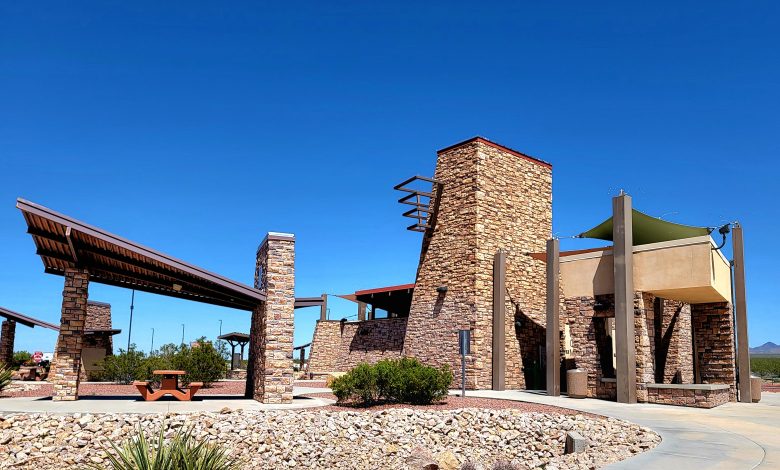
Featured image: Southern Nevada highway rest area by Cullen328, CC BY-SA 4.0. Image reproduced without editorial alteration; WordPress may create resized display copies.