Coolant color is easy to notice and easy to misinterpret. Dye helps distinguish products visually, but it does not provide a universal code for chemical compatibility. Two coolants with similar colors can have different requirements, while products of different colors may serve similar applications. The dependable starting point is the vehicle’s specified coolant standard.
Understand what coolant must do
Coolant transfers heat and provides protection against freezing, boiling, and corrosion within the intended operating conditions. Its additive package must work with the system’s metals, seals, and service requirements. That combination explains why choosing solely by appearance can lead to an unsuitable mixture even when the container looks familiar.
The correct concentration also matters. More concentrate is not automatically better, because the balance between heat transfer and protection changes with mixture strength. Follow the required ratio and water-quality instructions. Ready-mixed coolant is already diluted for its stated purpose and should not automatically receive an additional equal volume of water.
Bring the specification to the shelf
Keep the required coolant standard and mixture information with your service record. Check whether a container is concentrate or ready-mixed before using it. If the installed coolant is unidentified, describe it as unknown; matching its dye does not resolve compatibility.
Read the specification instead of the dye
Find the coolant requirement in the owner’s manual or reliable service information for the precise engine. Compare that requirement with the product documentation. A broad label such as universal needs careful interpretation; it should not replace confirmation that the product meets the relevant requirement.
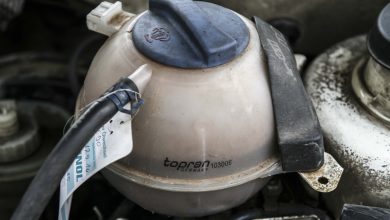
For example, a reservoir containing an orange liquid does not justify adding any orange coolant found nearby. The existing fluid could be a different formulation, aged, contaminated, or previously mixed. If its identity is uncertain, explain that uncertainty to the workshop rather than presenting the color as a confirmed specification.
| Evidence | Useful for | Limit |
|---|---|---|
| Visible dye color | Describing the reservoir contents | Does not identify a universal formulation |
| Concentration or freeze-protection test | Assessing a concentration-related property | Does not certify the complete additive chemistry |
| Product documentation and service invoice | Tracing the specified product and mixture | Still requires a match to the exact vehicle requirement |
Handle an unknown service history
Review invoices for the actual product or standard used. If records are absent, a technician can assess the situation and recommend an appropriate replacement procedure. A simple visual inspection cannot certify the additive chemistry. Testing freeze protection can reveal concentration-related information, but it does not establish every aspect of coolant suitability.
A fluid exchange may require attention to trapped air, drain locations, and the engine’s filling procedure. Some systems need special equipment or a prescribed bleed sequence. Asking for the correct procedure matters more than asking for an arbitrary number of rinses based on the liquid’s appearance.
Respond sensibly to a low level
Keep a clearly labeled supply of the specified coolant if the vehicle requires an owner top-up option. When the correct product is unavailable, consult the manufacturer’s emergency instructions. Any temporary measure should be followed by correction and an investigation of the loss, especially if repeated additions have changed the mixture.
Never open a hot pressurized system to inspect the color or collect a sample. A minor compatibility question should not become a burn injury. Allow full cooling and use a professional when access or the filling process is uncertain.
Coolant compatibility belongs in the specification record, not in a color-matching exercise.
Editorial takeaway
Make future servicing unambiguous
Record the coolant specification, mixture, date, and mileage after service. Clear documentation makes the next top-up straightforward and prevents color-based guesswork. Coolant selection becomes much simpler when the decision rests on a known requirement and a traceable service history.
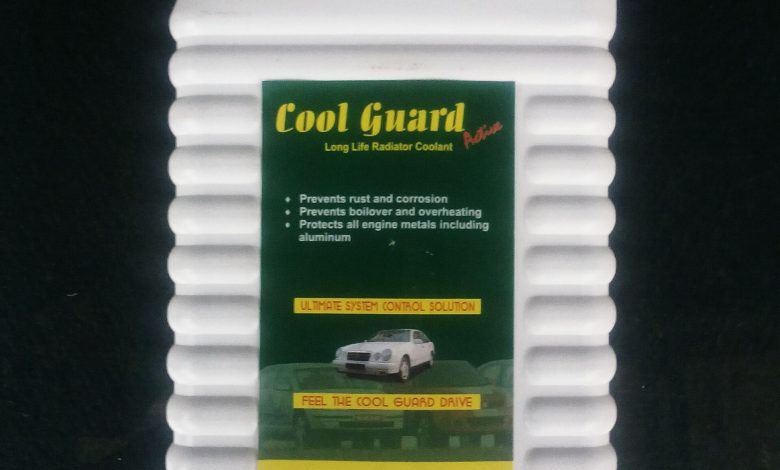
Featured image: Coolant.jpg by Nithinhegde.mb, CC BY-SA 4.0. Image reproduced without editorial alteration; WordPress may create resized display copies.