The engine air filter keeps airborne dirt from entering the intake while allowing the engine to breathe through its designed path. Its condition matters, but so do the housing, sealing edges, and clips around it. A filter inspection should leave the intake cleaner and correctly assembled, not introduce debris or an unnoticed gap.
Find the appropriate inspection interval
Use the maintenance schedule for the vehicle and consider its dust-related instructions. A car traveling on unpaved access roads can load a filter differently from one used mostly on clean paved routes. Distance alone may not capture that exposure, so note unusually dusty use when arranging service.
Do not assume that a slightly darkened filter is exhausted or that a pale surface proves unrestricted airflow. Different media and dirt types look different. The scheduled replacement requirement, visible damage, contamination, and any manufacturer-approved restriction assessment provide better grounds for a decision than color alone.
Inspect the route around the filter
Before removing the element, identify the dirty and clean sides of the housing. Keep loose debris away from the intake opening, and inspect the perimeter seal as carefully as the media. A replacement that prevents the cover closing evenly needs a seating or fit check.
Open the housing with care
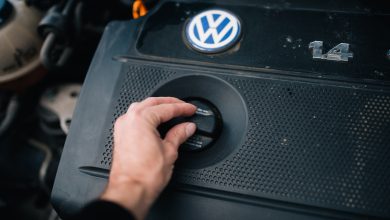
Switch off the engine and locate the proper housing fasteners. Some covers hinge or engage tabs at one edge, making their removal less obvious than it first appears. Forcing a cover can break a locating feature and prevent a secure seal even after every visible clip is closed.
Before lifting the filter, remove loose debris around the opening without pushing it toward the clean side. Remember which way the element sits. If dirt has accumulated in the housing, keep it out of the intake opening while cleaning according to the service instructions. Do not run the engine with the filter removed as a casual comparison test.
| Observation | What to examine | Decision caution |
|---|---|---|
| Darkened media | Schedule, exposure, and any approved restriction assessment | Color alone does not establish replacement need |
| Torn pleats or damaged seal | Media integrity and perimeter seating | A clean-looking section does not cancel physical damage |
| Cover resists closing | Element dimensions, locating tabs, and seal position | Do not pull a misplaced element into shape with fasteners |
Judge the element and its sealing edge
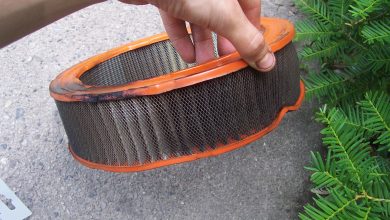
Look for torn media, distorted pleats, oil saturation where it should not be present, or a damaged perimeter seal. Check whether leaves or other debris obstruct the dirty side. A folded sealing edge can allow air around the filter even if the paper itself remains intact.
For example, a new element installed partly outside its channel may be less effective than an older correctly seated one. Confirm the replacement has the right dimensions and sealing arrangement. Similar-looking filters are not necessarily interchangeable, especially where the housing relies on an exact profile to clamp evenly.
Avoid unsuitable cleaning methods
Disposable paper elements generally should not be washed or treated with oil unless their instructions explicitly allow it. Aggressive compressed air can damage media or move dirt into places that are hard to inspect. Reusable elements have their own cleaning, drying, and treatment procedures; they should not be handled like ordinary disposable filters.
If the cover will not close with light, even pressure, stop and check the seating rather than using the fasteners to pull a misplaced filter into shape.
Air filtration depends on a sealed path as much as on the condition of the filter paper.
Editorial takeaway
Close the intake and record the result
Seat the element fully, engage the housing tabs, and secure all fasteners without distorting the cover. Check any ducting disturbed during access. Record the inspection or replacement separately, including unusual contamination. A reliable air filter service protects both the intake path and the value of the next scheduled inspection.
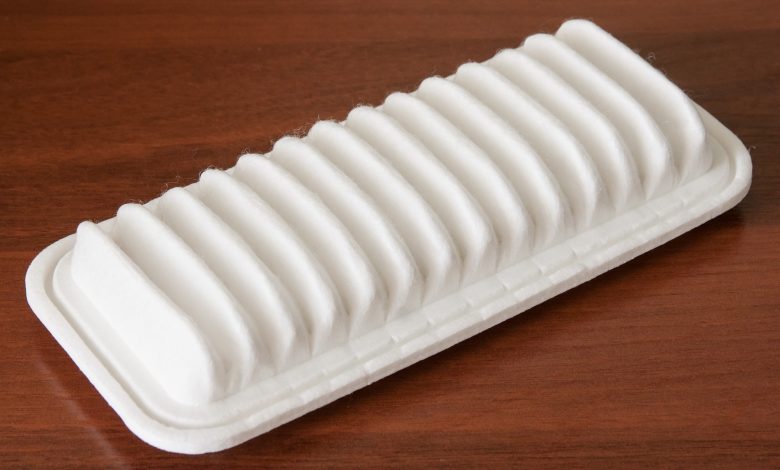
Featured image: Air filter for Toyota 1KR-FE.jpg by Ilya Plekhanov, CC BY-SA 3.0. Image reproduced without editorial alteration; WordPress may create resized display copies.