Define what makes the detour worthwhile
A scenic detour should add an experience you actually want, not simply draw a more interesting line on a map. Decide whether the attraction is a landscape, a village, a waterside walk, or the pleasure of a slower journey. That answer helps determine how much time the diversion deserves.
A viewpoint may need only a short visit, while a coastal town can easily occupy an afternoon. If the real appeal lies outside the car, include time to park and explore. Otherwise, you may spend the additional travel time approaching somewhere you never have a meaningful chance to enjoy.
Set the return decision in advance
Choose a recognizable junction or planned stop where the group can decide whether to continue the scenic section. Make that decision using remaining daylight, comfort, and later commitments, with any navigation changes made while parked.
Compare complete journeys
Compare the direct route and the detour using the same start and finish points. Then add the planned stop itself and any extra access time. A route that appears only slightly longer on screen may become a substantial addition once a meal, a walk, and a search for parking are included.
Consider the type of road as well as the distance. A route with frequent villages and junctions has a different rhythm from a broad through road. You do not need an elaborate calculation, but the timetable should reflect the character of the journey rather than assuming all miles take similar effort.
Choose one main place to pause
Scenic routes often present more stopping possibilities than a single day can comfortably hold. Select one main stop and treat others as optional. This gives the journey a clear center while preserving room for a place that unexpectedly appeals to the group.
Check whether the planned stopping area provides the facilities you need. A viewpoint may offer a fine view but no toilets or refreshments. Pairing it with a practical break elsewhere can work, provided both are represented in the day’s schedule rather than silently added along the way.
| Part of the day | Direct route | Scenic option |
|---|---|---|
| Driving allowance | Main journey estimate | Extra travel plus the slower road character |
| Time outside the car | Ordinary practical breaks | Parking, walking, and the main attraction |
| Fallback | Continue toward the destination | Use the planned return connection |
Make an easy exit part of the plan
Identify where the scenic section reconnects with the main route and whether there is a sensible earlier return. This makes it easier to adapt if the weather is dull, the group is tired, or the first stop takes longer than expected. A flexible detour has recognizable decision points.
Discuss those options before departure or during a suitable stop. Route changes should be set up while parked or handled by a passenger. Keep the purpose clear: the alternative exists to preserve an enjoyable day, not to create pressure to complete every mile originally imagined.
A detour earns its place when there is time to enjoy the reason for taking it.
Editorial takeaway
Judge the detour by the experience
At the end of the day, consider whether the diversion gave you enough time in the place that mattered. If it felt rushed, choose fewer attractions next time. If the journey itself was the highlight, a similarly paced route may deserve a larger role in future plans.
A well chosen scenic detour belongs naturally within the trip. It has a clear purpose, an honest time allowance, and room to change. Those qualities make it much more likely to become a favorite memory than an additional obligation between two overnight stops.
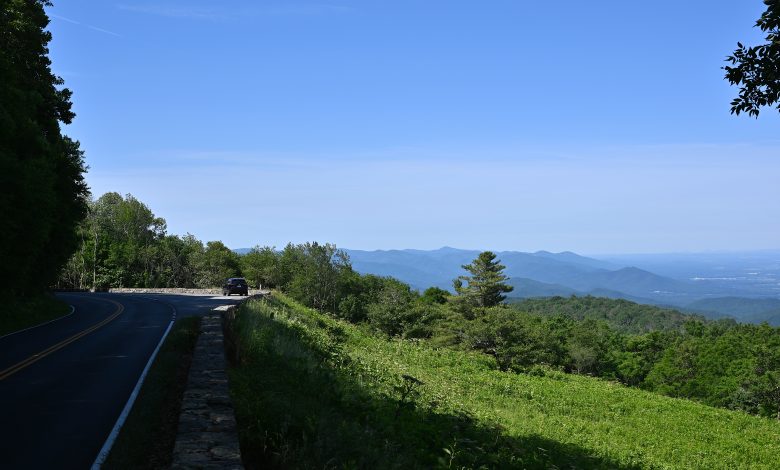
Featured image: Hazeltop Ridge Overlook south from Skyline Dr Shenandoah National Park VA 2022-06-19 10-09-09 by G. Edward Johnson, CC BY 4.0. Image reproduced without editorial alteration; WordPress may create resized display copies.