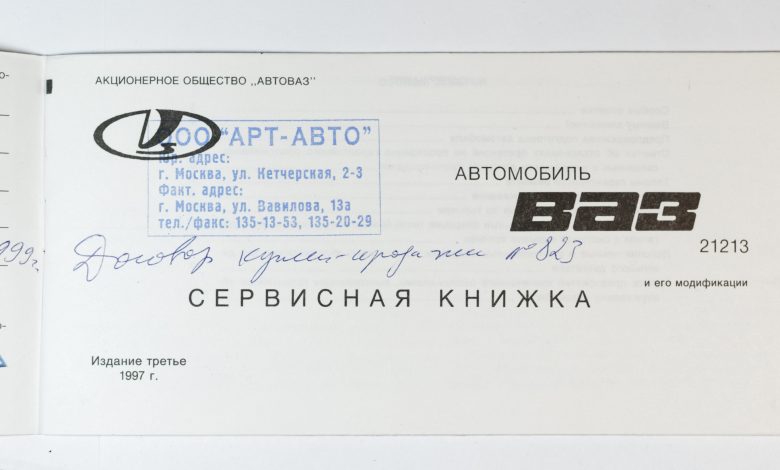
A useful service record explains what happened to the vehicle, when it happened, and what materials were used. A folder full of vague receipts is less helpful than a short, accurate timeline. Good records support future maintenance decisions and give a technician evidence when a symptom appears after a repair or fluid change.
Record the work precisely
For each visit, note the date, odometer reading, complaint, completed work, and any recommended follow-up. Distinguish an inspection from a replacement. A line saying the cooling system was checked does not establish that coolant was renewed, and an oil top-up is not the same as a complete oil service.
Include fluid specifications and part identification where available. The exact approval used for engine oil or coolant is more informative than ‘good quality fluid.’ If an invoice lacks detail, ask for clarification while the job is still recent. That prevents uncertainty years later when the next service depends on what was previously installed.
Separate evidence from conclusions
Give each concern an observation, a date, and an outcome. Keep a technician’s confirmed diagnosis separate from your initial description. If work remains pending, retain the stated follow-up conditions so the concern does not disappear among completed service entries.
Link symptoms to operating conditions
Record a symptom in observable terms. For example, ‘brief vibration after selecting drive on the first start of the day’ gives more direction than ‘transmission feels bad.’ Note whether the engine was cold, whether the car had been parked on a slope, and whether the behavior repeated after warming.
Keep interpretation separate from observation. Writing ‘coolant level fell from the upper mark to the lower mark over three weeks’ preserves useful evidence. Writing ‘head gasket failed’ without a diagnosis can steer attention toward an assumption. A workshop needs the pattern first and can then test possible causes.
| Record item | Useful wording | Why it helps |
|---|---|---|
| Completed work | Coolant replaced; specification recorded on invoice | Distinguishes renewal from a visual check |
| Symptom | Vibration on first cold selection of drive | Preserves conditions a technician can investigate |
| Unresolved concern | Cold coolant level to be rechecked; follow-up noted | Keeps monitoring linked to a next action |
Preserve quantities and unresolved items
Top-up amounts deserve a place in the record when fluid loss is recurring. Mileage, quantity, and dates make the rate easier to understand. If you add a small amount several times but remember only the last addition, the apparent consumption can be substantially understated.
Keep deferred work visible in a separate pending list. Include the workshop’s explanation and any time or mileage limit supplied. A postponed seep inspection should not disappear beneath completed oil changes. When the item is resolved, link the later invoice so there is a clear endpoint rather than an indefinitely open concern.
Use simple storage that survives device changes
A spreadsheet, notebook, or document can work well if it is backed up and easy to update. Save readable copies of invoices with consistent filenames containing the date and mileage. Avoid relying entirely on a reminder display, because a reset indicator usually does not contain the detail needed to reconstruct the actual service.
Good maintenance records preserve what happened, without turning an early guess into a permanent diagnosis.
Editorial takeaway
Review the history before booking
Before the next appointment, compare the record with the maintenance schedule and summarize any recent changes. Bring the relevant pages instead of asking the technician to search an unorganized archive. Accurate records reduce repeated questions and make it easier to choose work based on evidence rather than uncertain memory.
Featured image: VAZ-21213 service book in Russian, 1999 (title page).jpg by Retired electrician, CC0 1.0. Image reproduced without editorial alteration; WordPress may create resized display copies.