A slow leak can hide inside a routine
Adding air every few days can make a leaking tire seem manageable, especially when it looks normal between checks. The problem is that pressure loss does not always remain predictable. A small puncture can change, a valve can deteriorate, and a wheel sealing problem can worsen. Low pressure also increases tire flexing and heat. If one tire repeatedly needs air while the others remain stable under comparable conditions, arrange an inspection rather than accepting frequent top ups as normal maintenance.
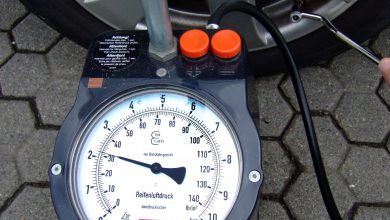
Bring a pressure history
Write down each cold reading, the date, and any air added. A record showing one tire falling while its companions stay stable gives the inspector a stronger starting point than an estimate of how often the warning appears.
Possible leak paths extend beyond the tread
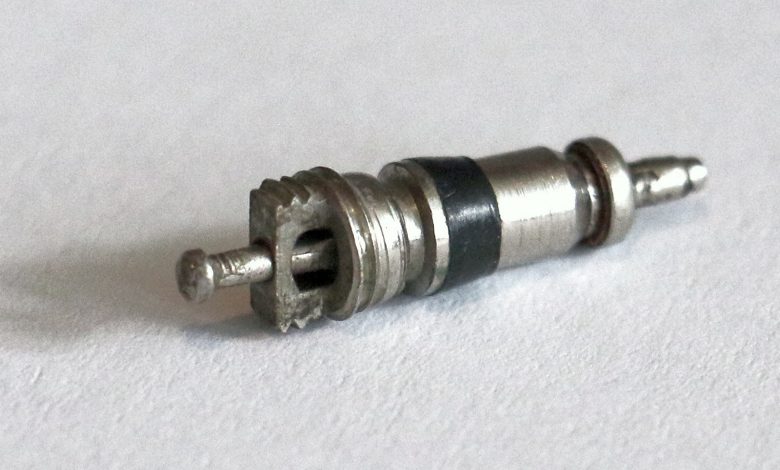
A nail or screw in the tread is one possibility, but air can also escape at the valve core, valve stem, tire bead, or damaged wheel. Corrosion where the tire meets the wheel can interfere with sealing. A pressure sensor valve assembly can have its own sealing components. Removing a visible object before professional assessment may accelerate the leak and destroy useful evidence. Note where it is and leave removal to the person evaluating whether the tire can be repaired safely.
| Pattern | Possible explanation | Next step |
|---|---|---|
| Similar fall across all tires after colder weather | Ambient conditions may explain the shared change | Adjust to specified cold targets and monitor |
| One tire repeatedly loses more | Localized leakage warrants attention | Request tire, valve, and wheel inspection |
| Loss continues after puncture work | Another leak path or unresolved sealing issue may remain | Return with before-and-after readings |
Temperature changes can confuse the picture
All tires respond to ambient temperature. If every reading falls after a cold night, that does not automatically mean all four tires have punctures. Compare cold measurements taken under similar conditions and record them over several days. A single tire losing noticeably more than its companions is a stronger clue than one low reading. Conversely, a warning light that turns off after driving does not prove a leak has disappeared; warming air may simply have raised the pressure above the alert threshold.
Repair decisions require an internal inspection
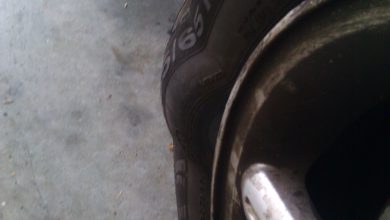
A puncture’s location and extent matter, as does whether the tire was driven while underinflated. An exterior view cannot show all internal damage. A qualified tire professional should determine repair eligibility using the tire maker’s guidance and appropriate repair standards. Sidewall or shoulder damage is different from an eligible small tread puncture. An outside plug or sealant may not provide the complete repair needed, and temporary mobility products have specific instructions and limitations.
Repeated inflation restores pressure for the moment; finding the leak restores confidence in the assembly.
Editorial takeaway
Follow up after the cause is corrected
Ask what leaked, what was repaired, and whether the tire showed evidence of low pressure operation. If the wheel or valve was responsible, replacing the tire alone might not resolve the underlying issue. Recheck cold pressure after service and keep the result with the earlier readings. Persistent loss deserves another inspection, even if the first repair seemed straightforward. A useful repair ends the pattern of repeated inflation and confirms that the tire remains structurally suitable, rather than merely making the warning light disappear for another trip.
Keep valve caps fitted after checking pressures. They help protect valves from contamination, but a new cap should never be treated as the repair for a valve that is actively leaking air.
Featured image: Tire Valve Stem by Andrew Pertsev, CC0 1.0. Image reproduced without editorial alteration; WordPress may create resized display copies.