
Each wheel position does a different job
Front and rear tires rarely experience identical loads. Front tires usually handle steering, and the distribution of braking and driving forces varies with the vehicle. Cornering can also work one shoulder harder than another. Rotation moves tires between permitted positions so these differences are shared over time. It can help maintain more even wear, but it cannot repair damaged tires, restore missing tread, or correct a suspension fault that is continuing to scrub the rubber.
Confirm the permitted moves first
Check tire direction markings, front and rear sizes, and wheel differences before selecting a rotation pattern. After any permitted move, pressures must suit the new positions and the monitoring procedure may need attention. Record tread measurements so rotation remains a way to distribute normal wear, not conceal a developing fault.
The correct pattern depends on the equipment
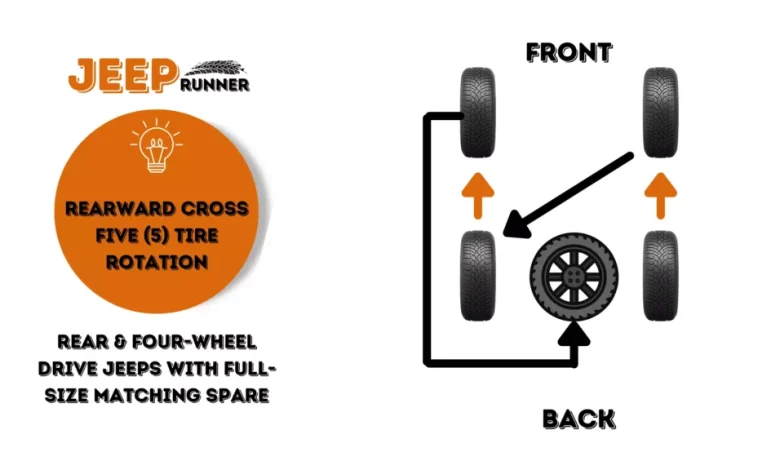
Consult the owner manual and tire instructions before choosing a pattern. Directional tires must continue rotating in the specified direction unless they are professionally remounted as appropriate. Vehicles with different front and rear tire sizes may have limited rotation options. Some wheels also differ in width or offset even when the visible tires look similar. A full size spare is not automatically eligible for inclusion. These details explain why a familiar pattern from another vehicle may be wrong for yours.
| Equipment or condition | Constraint | Follow-through |
|---|---|---|
| Directional tires | Rolling direction must remain correct | Use only a permitted pattern or appropriate professional remounting |
| Different front and rear fitments | Some position changes may be unavailable | Verify tire sizes and wheel specifications |
| Unequal wear or existing damage | A routine pattern may be inappropriate | Assess condition and placement with a tire professional |
Inspection matters as much as movement
Before rotation, examine tread depth across every tire and note existing damage or irregular wear. A tire with severe cupping should not simply be moved to hide its noise. If one axle has worn much faster, investigate pressure, alignment, loading, and driving conditions. For example, front outer shoulder wear may reflect repeated tight cornering, but it may also accompany a mechanical problem. Recording measurements before and after each service creates a useful history instead of relying on memory.
Pressure and monitoring follow the new positions
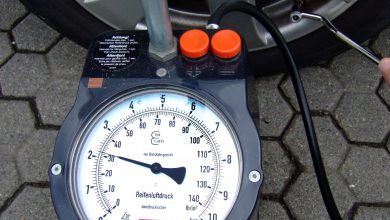
After tires change position, adjust pressures to the specifications for their new locations. Some vehicles specify different pressures at the front and rear. The pressure monitoring system may also require relearning or initialization so the displayed wheel locations remain correct. Follow the vehicle procedure rather than assuming sensors identify their positions automatically. Wheel installation requires the correct hardware, tightening sequence, and specified torque. Owners without suitable lifting equipment and training should have the work performed professionally.
Rotation shares ordinary workload; it cannot redistribute a damaged tire back into good condition.
Editorial takeaway
Know what rotation cannot accomplish
If tires are already substantially different in remaining tread or condition, placement decisions require more care than a routine rotation pattern. Discuss handling implications and manufacturer guidance with a tire professional, especially when replacing fewer than four tires or working with an all wheel drive system. Follow the maintenance schedule rather than waiting for obvious unevenness. Rotation is most useful as an early, regular way to distribute normal wear. Combined with pressure checks and inspections, it helps reveal developing problems before one tire becomes the weak point of an otherwise serviceable set.
Keep the service date and odometer reading with your tread measurements. This makes it easier to judge how quickly a particular position is wearing and whether the next inspection should happen sooner.
Featured image: Rearward cross tire rotation.webp by James Ndungu, CC BY-SA 4.0. Image reproduced without editorial alteration; WordPress may create resized display copies.