
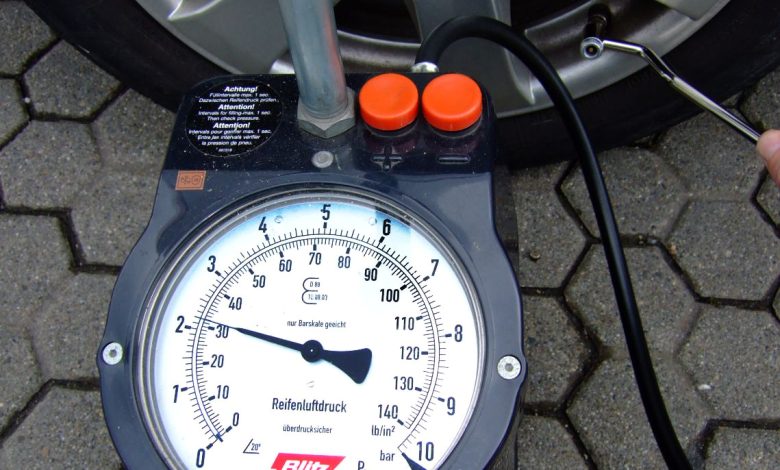
Pressure describes the air supporting the load
A tire supports a vehicle through the pressure of the air inside it and the strength of its structure. Too little pressure allows extra sidewall movement, which creates heat and changes how the tread contacts the road. Too much pressure relative to the vehicle specification can change ride quality and contact behavior. The correct starting point is the vehicle tire placard, usually near the driver door, rather than the maximum pressure molded into the tire sidewall.
Compare pressures under like conditions
Keep the placard targets for each position available with your gauge. Record cold measurements before making comparisons across days. If a warm tire reads above its cold target, do not bleed it down solely to match that target; return to the manufacturer’s cold-check conditions.
Driving changes the reading
As tires flex and warm during travel, the air inside becomes warmer and pressure rises. Sunlight can also warm one side of a parked vehicle. A cold reading means the tires have been resting long enough to approach surrounding air temperature, following the conditions described in the owner manual. Checking before a morning trip gives a more useful comparison than measuring immediately after highway travel. Do not release air from a warm tire simply because its reading exceeds the cold placard value.
| Pattern | Possible explanation | Useful next step |
|---|---|---|
| All tires lower after colder weather | Ambient temperature may affect readings | Check cold and adjust to the specified position targets |
| One tire repeatedly loses air | A local leak may be present | Arrange inspection rather than repeated topping up |
| Warm reading above cold target | Travel or sunlight may have heated the tire | Recheck under specified cold conditions |
Use a repeatable checking method
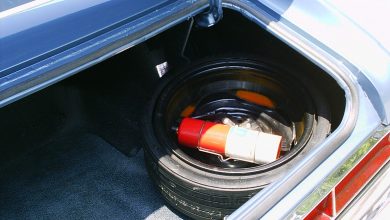
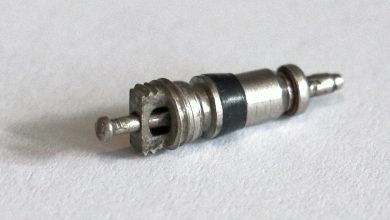
Park safely, remove the valve cap, and press a reliable gauge squarely onto the valve. A brief hiss while positioning the gauge is normal, but continuing leakage means the seal is poor. Read again if the first result seems surprising. Compare every tire with its specified position because front and rear targets may differ. Adjust in small steps, recheck, and replace valve caps. Include the spare when its pressure can be checked safely; its specified pressure may be very different from the road tires.
Look for patterns instead of isolated numbers
Seasonal cooling can lower all four readings together. One tire repeatedly losing pressure while the others remain steady points toward a local leak, such as a puncture, valve problem, or wheel sealing issue. For example, a rear tire that needs air every weekend deserves inspection even if the warning light stays off. A pressure monitoring system provides an alert, but it does not replace routine gauge checks or explain why air is escaping. Record the date and readings to make slow changes visible.
Cold pressure checks make comparisons meaningful; repeated air loss still needs a cause.
Editorial takeaway
Finish with a practical maintenance decision
After adjusting pressure, follow the vehicle instructions for any monitoring reset or calibration. Do not use a reset to disguise continuing loss. Check again under similar cold conditions rather than comparing a hot afternoon reading with a cold morning one. If a tire is visibly low, damaged, or has been driven significantly underinflated, arrange professional inspection before assuming that adding air makes it safe. Internal damage may not be visible from outside. Consistent cold measurements turn pressure checks into useful maintenance information and help distinguish ordinary temperature changes from a tire that needs attention.
Keep the gauge in a place where you will actually use it. Comparing an unexpected reading with a second gauge can identify a faulty tool before you make an unnecessary pressure adjustment.
Featured image: ReifendruckPruefen.jpg by JEG14; gauge-number enhancement by Ich, Public domain. Image reproduced without editorial alteration; WordPress may create resized display copies.